Specialized Ophthalmology in Seoul · Dedicated International Patient Concierge
MOHW Registered · Foreign Patient Care
en-US


Vision Correction Surgery · Needs Clinic Confirmation
Vision Correction Comparison Guide
Vision-correction procedures correct refractive errors by reshaping the cornea or by placing an implantable lens inside the eye so light focuses appropriately on the retina.
Schedule a ConsultationVision Correction Comparison Guide

Medically reviewed by Dr. Kim Byoung Jin, Representative Director, Ophthalmologist (Ph.D.), board-certified, Korean Ophthalmological Society
Vision-correction procedures correct refractive errors by reshaping the cornea or by placing an implantable lens inside the eye so light focuses appropriately on the retina. At Jamsil Samsung Eye Clinic in Songpa-gu, Seoul, this guide compares LASEK, LASIK, SMILE/Clear Smile LASIK, Z8 Premium LASIK, and ICL (implantable contact lens) so patients can understand the tradeoffs before their eye examination determines which option actually fits their eyes.
What Is the Vision Correction Comparison Guide?
Understanding the vocabulary before the consultation — flap versus flapless, epithelium removal versus lenticule extraction, corneal reshaping versus a lens implant — can make the in-person eye examination and discussion considerably more productive, since patients arrive already able to ask specific, informed questions about their own results rather than starting from a completely blank page.
This guide is an educational resource, not a procedure in itself, intended to help patients understand the major differences between the clinic's vision-correction options before their consultation.
LASEK removes the corneal epithelium before laser correction, avoiding a corneal flap.
LASIK creates a corneal flap and applies laser correction beneath it.
SMILE and Clear Smile LASIK use a small incision to create and remove a lenticule, without a large flap.
ICL (implantable collamer lens) places a corrective lens inside the eye, without removing any corneal tissue.
The clinic's detailed examinations, including corneal and other eye measurements, determine which of these options is realistic for an individual patient, since not every technique suits every eye.
Who Performs Vision Correction Procedures at Jamsil Samsung Eye Clinic

Having a single, broadly experienced surgeon review all of these options together, rather than referring patients to different specialists for each individual technique, is one of the practical reasons this comparison guide can be discussed in a single consultation.
Dr. Kim Byoung Jin, Representative Director and a board-certified ophthalmologist (Ph.D.) at Jamsil Samsung Eye Clinic, lists refractive and vision-correction surgery among his core clinical specializations. He completed a fellowship at Samsung Seoul Hospital and postdoctoral research at Columbia University Hospital, held visiting-professor appointments at Seirei Hamamatsu Hospital and Columbia University Hospital, and his documented subspecialty expertise spans excimer laser myopia correction, epikeratoplasty, and LASIK/LASEK-related refractive correction — giving him direct experience across the techniques compared on this page. He is a full member of the Korean Society of Cataract and Refractive Surgery (KSCRS), the American Society of Cataract and Refractive Surgery (ASCRS), the European Society of Cataract and Refractive Surgeons (ESCRS), and the American Academy of Ophthalmology (AAO).
Comparing the Clinic's Vision-Correction Options
| Procedure | Corneal Tissue Approach | Best Suited For | Recovery Note |
|---|---|---|---|
| LASEK | Removes epithelium, no flap | Thinner corneas, moderate-high myopia | Generally 5–7 days, more initial discomfort |
| LASIK (conventional) | Creates a corneal flap (~20 mm) | Standard corneal thickness/profile | Faster early visual recovery than LASEK |
| Clear Smile LASIK | Flapless, ~2 mm lenticule extraction | Patients wanting minimal incision, fast recovery | Rapid recovery emphasized |
| Z8 Premium LASIK | Flapless, ~2 mm micro-incision, low energy | High myopia/astigmatism, minimal pain priority | About 3–4 days to light activity |
| ICL (implantable lens) | No corneal tissue removed | Very high myopia or thinner corneas unsuitable for laser correction | Relatively rapid recovery generally reported |
LASEK is generally suited to relatively thin corneas and moderate-to-high myopia, avoiding flap-related complications while typically involving more initial discomfort and a longer epithelial healing period than flap-based or flapless lenticule techniques. LASIK creates a larger corneal flap and generally offers faster early visual recovery, though it may not be appropriate for every corneal profile. SMILE and Clear Smile LASIK use a small incision without a large flap, aiming to combine some of LASIK's faster recovery with reduced flap-related risk. ICL is presented as an alternative for very high myopia or thinner corneas where laser-based correction of any kind may not be the safest option, since no corneal tissue is removed at all.
Who Should Use This Comparison Guide
Patients new to vision correction sometimes assume that the newest or most heavily marketed technology is automatically the right choice for them, but the clinic's own approach treats every technique — from established LASIK and LASEK to newer flapless options — as tools suited to different corneal profiles rather than a simple hierarchy from "older/basic" to "newest/best." A patient with a thin cornea, for example, may be a poor candidate for a technique that would otherwise be considered more advanced, simply because their corneal thickness does not support the amount of tissue removal that technique requires; in that situation, LASEK or ICL may be the more appropriate and, in a meaningful sense, the better option for that specific patient even though it is an older or more established approach.
Patients trying to understand the basic tradeoffs between LASEK, LASIK, SMILE/Clear Smile LASIK, and ICL before their consultation.
Patients with a strong preference around recovery time, incision size, or corneal tissue removal who want to discuss a specific option with their surgeon.
Patients with high myopia or thinner corneas who may specifically want to understand why ICL is presented as an alternative to laser-based options.
This guide does not replace an eye examination — the appropriate procedure for any individual patient is selected based on corneal thickness/shape, refractive error, and overall eye health, not personal preference alone.
What to Expect: The Comparison and Decision Process
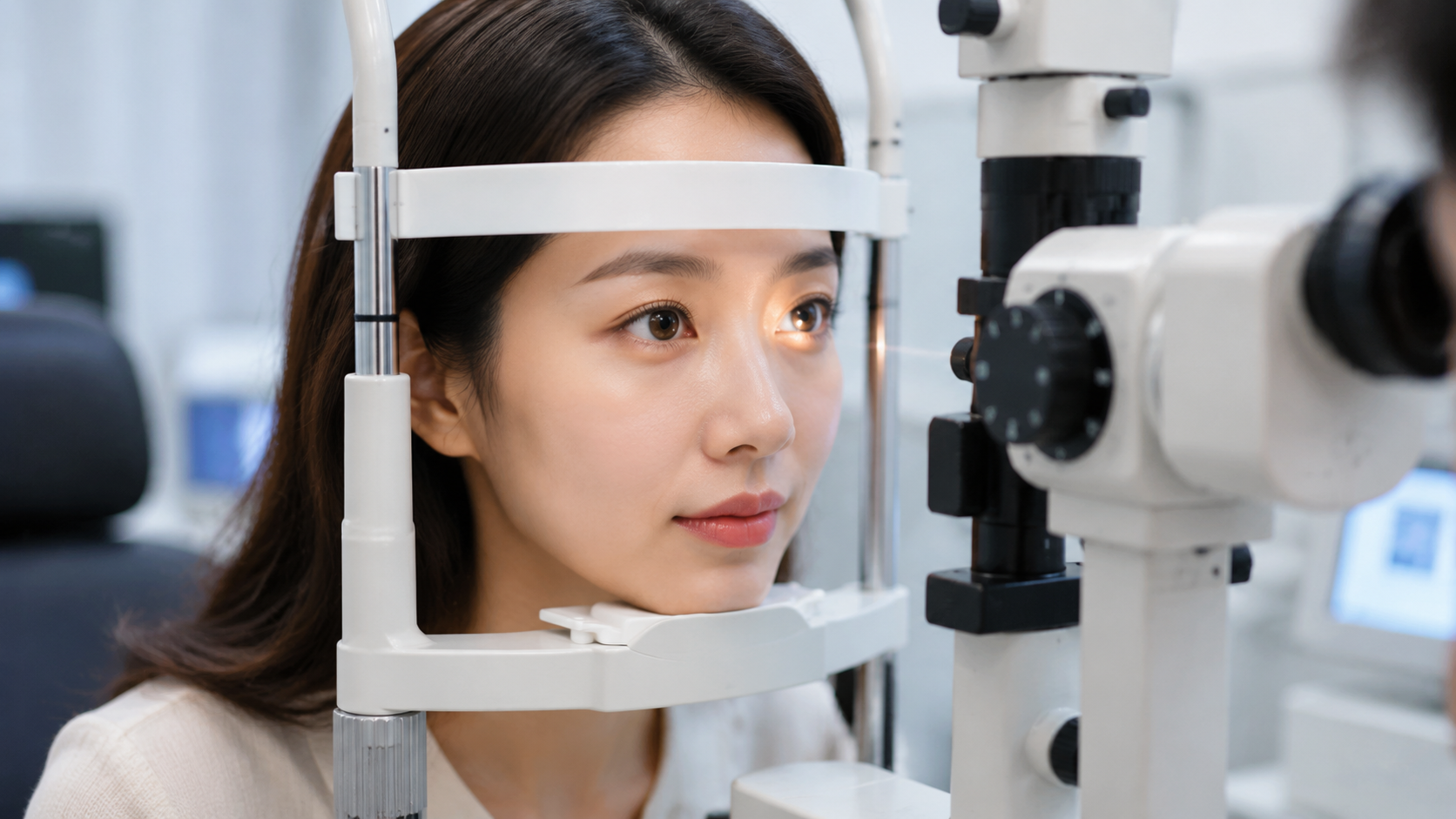
The clinic's evaluation for any vision-correction procedure involves detailed examinations and individualized assessment before a specific method is recommended, including measurements of corneal thickness and shape, pupil characteristics, and overall eye health. Laser vision-correction surgery of any type is generally performed using topical anesthetic eye drops. Recovery differs substantially by procedure: LASIK generally has faster early visual recovery, LASEK requires a longer epithelial healing period, and SMILE/Clear Smile LASIK also generally shows relatively rapid visual recovery given its small-incision, flapless approach. Vision can continue stabilizing after any of these procedures, and natural age-related vision changes, including presbyopia, may still occur later in life regardless of which vision-correction method was used.
Before any procedure, patients should complete the required eye examination and may need to stop wearing contact lenses beforehand according to the surgeon's instructions — timing varies from about a week for soft lenses up to about a month for orthokeratology (Dream) lenses, so that corneal measurements reflect the eye's true, undistorted shape. The clinic's SMART program provides Total Care, meaning detailed pre- and post-operative management across whichever procedure is ultimately selected; exact medication and activity instructions are individualized to the specific technique performed rather than standardized across all vision-correction options.
International Patient Considerations
International patients researching vision correction before traveling to Korea often want to narrow down their options before their first consultation, so that the in-person visit can focus on confirming candidacy rather than starting the comparison from scratch. This guide is intended to support that preparation, but it cannot replace the corneal topography, pupil measurements, and other diagnostic testing performed in person, since these measurements — not patient preference — ultimately determine which procedures are realistic options. Patients planning a trip specifically for vision correction should also factor in each option's typical recovery window when deciding how long to stay in Korea: options like Clear Smile LASIK and Z8 Premium LASIK are associated with faster early recovery, which may suit a shorter trip, while LASEK's longer epithelial healing period, or ICL's own follow-up schedule, may call for additional time in Seoul before departure. Because contact lenses must be stopped for one to several weeks before accurate measurements can be taken, this lens-free window should be planned before travel, not after arrival.
Safety Considerations Across Vision-Correction Options
Possible risks across these procedures include dry eye, glare or halos, other visual disturbances, under- or over-correction, and, rarely, more serious visual complications; the specific risk profile varies somewhat by technique, with flap-related risks specific to LASIK, epithelial-healing-related risks specific to LASEK, and lens-related risks specific to ICL. The clinic's detailed preoperative evaluation is designed to identify which of these risk profiles is most relevant for an individual patient's eyes and to exclude patients for whom any given technique would carry elevated risk, such as those with unstable vision, insufficient corneal thickness, or significant existing eye conditions.
A Closer Look at the Decision Factors
Corneal thickness is often the single most decisive factor in this comparison: patients with corneas too thin for a flap-based or lenticule-based laser procedure may only be candidates for LASEK's surface-based approach, or, if myopia is severe enough or the cornea is thin enough, for ICL instead, since ICL removes no corneal tissue at all. Refractive error severity matters too — very high myopia can push a patient toward ICL even when corneal thickness alone would not, because the amount of corneal reshaping required for extreme prescriptions can exceed what is considered safe to remove via laser. Lifestyle factors also shape the comparison in practice: patients concerned about impact to the eye during contact sports may lean toward flapless approaches such as Clear Smile LASIK or Z8 Premium LASIK, since there is no flap that could later become displaced, while patients most concerned about minimizing days of visible discomfort or downtime often gravitate toward the same flapless, low-energy options for that reason. Patients who want the option to reverse or exchange their correction later in life — for example, if their prescription or eye health changes significantly — may want to discuss ICL specifically, since the lens is designed to be removable, unlike laser-based corneal reshaping which is not reversible in the same way.
How to Use This Guide Alongside Other Clinic Resources
Patients wanting a fast, brief in-office procedure may want to review Clear Smile LASIK or Z8 Premium LASIK pages in more detail.
Patients with thinner corneas may want to review the Corneal Strengthening LASEK and High Premium LASEK pages, which describe how corneal cross-linking can be added for additional reinforcement.
Patients wanting to combine their evaluation and procedure into a single visit, where clinically appropriate, may want to review the 1-Day Vision Correction Surgery page.
Patients with very high myopia or thin corneas who may not be laser-correction candidates should review the clinic's Implantable Lens Surgery (ICL) specialty page.
Patients are also encouraged to bring their own priorities into the consultation explicitly rather than assuming the surgeon already knows them — whether that means minimizing time off work, avoiding contact sports restrictions, wanting the possibility of future reversibility, or simply wanting the most extensively studied technique available — since the "right" choice among clinically eligible options can still come down to which tradeoffs matter most to that individual patient.
The Bottom Line
LASEK, LASIK, SMILE/Clear Smile LASIK, and ICL correct refractive errors through different approaches to the cornea or through a lens implant, each with distinct incision, recovery, and suitability profiles.
No single technique is universally "best" — the appropriate option depends on an individual patient's corneal thickness, shape, refractive error, and overall eye health.
ICL is specifically positioned for very high myopia or thinner corneas where laser correction may not be appropriate.
Dr. Kim Byoung Jin's documented experience spans excimer laser correction and LASIK/LASEK techniques, supporting informed comparison across these options during consultation.
This guide is educational; it does not replace the comprehensive eye examination used to determine which procedure is actually recommended for a given patient.
Frequently Asked Questions
Which vision-correction procedure is the best? There is no single best procedure — LASEK, LASIK, SMILE/Clear Smile LASIK, Z8 Premium LASIK, and ICL each suit different corneal profiles, refractive errors, and recovery priorities, and the clinic's comprehensive eye examination determines which options are actually appropriate for your eyes.
What's the main difference between LASIK and LASEK? LASIK creates a corneal flap before applying laser correction beneath it, generally offering faster early visual recovery, while LASEK removes the corneal epithelium instead of creating a flap, which can make it more appropriate for thinner corneas but generally involves a longer, somewhat more uncomfortable initial healing period.
When would I need ICL instead of a laser procedure? ICL is presented as an alternative for patients with very high myopia or corneas too thin for laser-based correction, since it involves placing a lens inside the eye rather than removing any corneal tissue; your eye examination will determine whether this applies to you.
How is Clear Smile LASIK or Z8 Premium LASIK different from conventional LASIK? Both are flapless techniques that use a small (roughly 2 mm) incision rather than the larger flap used in conventional LASIK, which the clinic associates with faster recovery and reduced flap-related risk, though the exact platform and technique differ between the two.
Will my vision change again years after any of these procedures? Vision can continue stabilizing in the months after any vision-correction procedure, and natural age-related changes, including presbyopia, can still occur later in life regardless of which technique was used, since these procedures correct existing refractive error rather than preventing future age-related change.
Do I need to stop wearing contact lenses before comparing these options with my surgeon? Yes — for accurate corneal measurements during your evaluation, contact lenses generally need to be stopped in advance: about a week for soft lenses, about two weeks for toric or hard (RGP) lenses, and up to about a month for orthokeratology (Dream) lenses.
Book a Consultation at Jamsil Samsung Eye Clinic
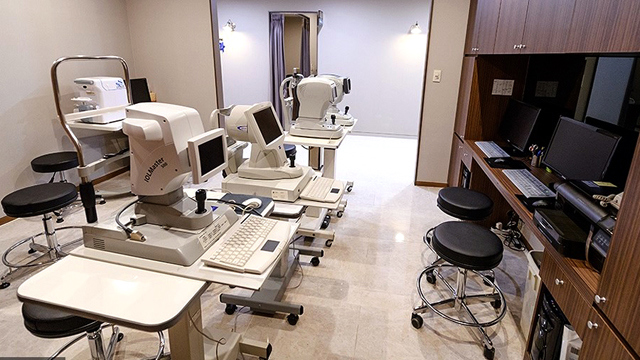
To discuss which vision-correction option may be right for your eyes and your priorities, contact Jamsil Samsung Eye Clinic in Songpa-gu, Seoul, through its online consultation and contact page or by phone at +82-2-424-7523 to schedule a comprehensive eye examination.
Disclaimer
This page is for general informational purposes and does not constitute individualized medical advice. Surgical candidacy, technique, and expected outcomes can only be determined through a consultation with a qualified physician.
Sources & Further Reading
Other Services
Explore additional ophthalmology treatments offered by our specialists.
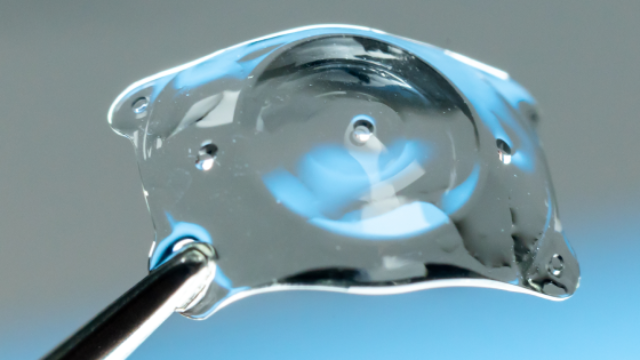
EVO AQUA ICL (Implantable Collamer Lens)
EVO AQUA ICL is a vision-correction procedure in which a specialized corrective lens made of biocompatible Collamer material is inserted directly between the natural lens and the iris, without damaging or reshaping the cornea.
Learn More

Presbyopia Surgery (Clareon PanOptix Pro)
Presbyopia surgery with the Clareon PanOptix Pro trifocal lens corrects presbyopia — the age-related loss of near-focusing ability caused by the eye's lens stiffening and losing elasticity, combined with reduced ciliary-muscle function — by implanting a
Learn More
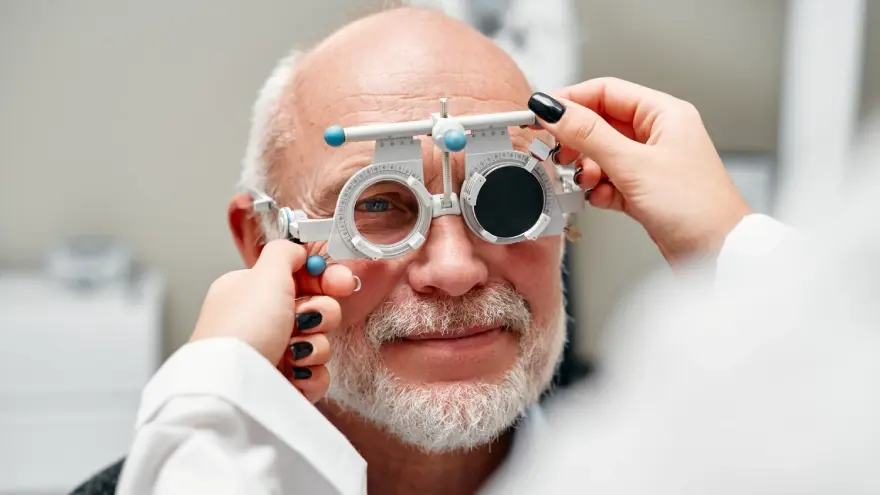
Presbyopia Precision Exam Program
The Presbyopia Precision Exam Program is a specialized diagnostic evaluation designed to thoroughly measure eye health, corneal state, and refractive index before prescribing presbyopia correction or laser vision procedures.
Learn More