Specialized Ophthalmology in Seoul · Dedicated International Patient Concierge
MOHW Registered · Foreign Patient Care
en-US


Dry Eye & Tear Duct Treatment · Needs Clinic Confirmation
Epiphora (Excessive Tearing)
Epiphora, or excessive tearing, is a condition in which tears overflow from the eye onto the face, either because too many tears are being produced or because tears are not draining properly through the tear duct system.
Schedule a ConsultationEpiphora (Excessive Tearing)

Medically reviewed by Dr. Kim Byoung Jin, Director, Ophthalmologist, board-certified, Korean Ophthalmological Society
Epiphora, or excessive tearing, is a condition in which tears overflow from the eye onto the face, either because too many tears are being produced or because tears are not draining properly through the tear duct system. At Jamsil Samsung Eye Clinic in Songpa-gu, Seoul, epiphora evaluation focuses on identifying the underlying cause, since treatment differs substantially depending on whether the problem originates from tear overproduction or from a blocked or narrowed drainage pathway.
What Is Epiphora?
Because epiphora can result from causes that seem contradictory — sometimes it is a symptom of dryness rather than too much moisture — understanding the underlying mechanism is essential before treatment can be planned.
Epiphora describes tears that overflow onto the face rather than draining normally through the nasolacrimal (tear duct) system into the nose, and it can result from either excess tear production or impaired tear drainage.
One of the more counterintuitive causes of epiphora is dry eye itself: when the eye's surface is irritated or the tear film is unstable, the eye can reflexively overproduce watery tears in response, leading to episodes of excessive tearing that stem from an underlying dryness problem.
Drainage-related causes include narrowing or blockage of the tear duct (nasolacrimal duct obstruction), which can be congenital in infants or acquired later in life due to aging, infection, injury, or scarring following certain sinus or facial procedures.
Eyelid position problems, such as ectropion (an outward-turning eyelid) or punctal stenosis (narrowing of the tear drainage opening), can also prevent tears from draining normally, contributing to epiphora.
Other causes include allergies, conjunctivitis, foreign bodies or eyelash irritation, and, less commonly, tumors or growths affecting the tear drainage pathway.
In infants, congenital nasolacrimal duct obstruction is a relatively common cause of persistent tearing and often resolves on its own within the first year of life, though some cases require intervention if they persist.
Who Oversees Epiphora Evaluation at Jamsil Samsung Eye Clinic

Dr. Kim Byoung Jin, a director at Jamsil Samsung Eye Clinic, is a board-certified ophthalmologist and a full member of the Korean Ophthalmological Society, the Korean Society of Cataract and Refractive Surgery, and the Korean External Ocular Diseases Society (KEEDS) — a professional society with a specific focus on external eye and eyelid conditions, directly relevant to evaluating the tear drainage and eyelid-related causes of epiphora. This external ocular disease focus supports a thorough evaluation of both the tear-production and tear-drainage sides of this condition, which is important given how differently these two categories of epiphora are managed.
Who Should Be Evaluated for Epiphora
Anyone experiencing persistent or recurrent excessive tearing, particularly when it interferes with daily activities such as reading, screen use, or driving.
Patients with associated symptoms such as eye irritation, redness, discharge, or recurrent eye infections, which can point toward a drainage blockage or eyelid position problem requiring evaluation.
Parents of infants with persistent tearing from one or both eyes, since congenital nasolacrimal duct obstruction is a common but generally evaluable and often self-resolving cause in this age group.
Patients who have noticed tearing develop or worsen after facial trauma, sinus surgery, or other procedures near the tear drainage pathway, since scarring from these events can contribute to acquired duct obstruction.
What to Expect: Diagnosis, Treatment, and Results Timeline
Evaluation for epiphora generally begins with a detailed history and eye examination to assess tear film quality, eyelid position, and signs of surface irritation, followed by specific tests of the tear drainage system when a blockage is suspected, such as gently irrigating or probing the tear duct, or using dye disappearance testing to assess how efficiently tears drain. If the underlying cause is reflex tearing due to dry eye, treatment focuses on addressing the dry eye itself, using measures such as artificial tears, warm compresses, or other dry eye therapies described in the clinic's dry eye services. If the cause is a drainage blockage, treatment can range from tear duct probing and irrigation in milder or congenital cases to more involved surgical procedures, such as dacryocystorhinostomy, to create a new drainage pathway in cases of more significant or persistent obstruction. Anesthesia requirements vary: diagnostic testing typically requires none or only topical numbing, probing procedures are often performed with local or topical anesthesia, and more involved surgical drainage procedures may require a more comprehensive anesthesia approach.
Results timelines differ substantially by cause: epiphora due to underlying dry eye generally improves as the dry eye itself is treated, following a similar timeline to standard dry eye management, while drainage-related epiphora treated with probing or surgery may show improvement within days to weeks of the procedure, depending on the extent of the blockage, the specific technique used, and how the surrounding tissue heals during recovery. Preparation for evaluation is generally minimal, though patients should be ready to describe when their symptoms started, whether they affect one or both eyes, and any associated symptoms such as discharge or recurrent infections. Aftercare depends on the treatment path: patients managed for underlying dry eye follow standard dry eye aftercare, while those undergoing tear duct procedures follow their surgeon's specific post-procedure instructions, which can include using prescribed drops and avoiding certain activities during initial healing.
International Patient Considerations
International patients with epiphora should understand that an accurate diagnosis of the underlying cause — dry eye versus drainage blockage versus eyelid position problem — generally requires an in-person evaluation, including tear drainage testing when indicated, so the appropriate treatment plan cannot be reliably determined before that assessment takes place. Patients whose epiphora turns out to be caused by underlying dry eye should expect a treatment timeline similar to standard dry eye management, which may extend beyond a single visit if IPL or another multi-session therapy is recommended. Patients found to have a drainage blockage requiring surgical correction, such as dacryocystorhinostomy, should plan for both the procedure itself and an appropriate follow-up window to monitor healing before returning home, and should discuss with the clinic how any necessary follow-up care can be coordinated with a local provider if an extended stay is not feasible.
Safety, Precision, and Clinic Standards
Diagnostic tools for epiphora evaluation generally include slit-lamp examination, tear drainage testing such as dye disappearance testing or gentle probing and irrigation, and, in some cases, imaging of the tear drainage system to localize a blockage precisely. Risks vary substantially by treatment path: addressing underlying dry eye carries minimal risk beyond that of the specific dry eye therapy used; tear duct probing carries a small risk of discomfort, bleeding, or, rarely, creating a false passage; and surgical procedures such as dacryocystorhinostomy carry risks similar to other surgical procedures, including infection, bleeding, and the possibility that the new drainage pathway may not remain fully open over the long term, sometimes requiring revision.
Comparing Epiphora Causes and Management
| Cause Category | Example | Typical Management |
|---|---|---|
| Reflex tearing from dry eye | Unstable tear film triggering overproduction | Standard dry eye management (artificial tears, IPL, prescription drops) |
| Drainage blockage (congenital) | Nasolacrimal duct obstruction in infants | Often resolves on its own; probing if persistent |
| Drainage blockage (acquired) | Age-related narrowing, scarring from injury or surgery | Probing/irrigation for milder cases; surgery (e.g., dacryocystorhinostomy) for more significant blockage |
| Eyelid position problem | Ectropion, punctal stenosis | Eyelid-specific surgical or non-surgical correction depending on severity |
Alternative and complementary approaches depend heavily on the underlying cause identified during evaluation, since epiphora is a symptom with multiple possible mechanisms rather than a single condition with one standard treatment.
Combining Epiphora Evaluation with Other Care
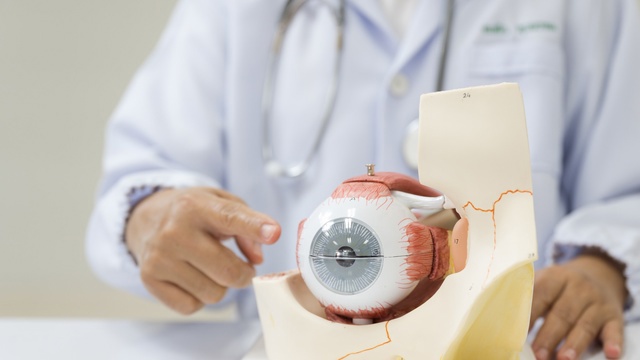
Epiphora evaluation is frequently combined with a broader dry eye assessment during the same visit, given how often reflex tearing from underlying dryness explains a patient's excessive tearing complaint, and eyelid examination is a standard part of this combined evaluation given how eyelid position can independently affect tear drainage.
Patients are sometimes surprised to learn that their excessive tearing is actually caused by dry eye rather than by producing "too many" tears in a simple sense, but this reflects the reflex mechanism by which an irritated, unstable tear film can trigger watery overproduction — which is why a thorough evaluation, rather than an assumption based on the symptom alone, is important before starting treatment, since treating a drainage blockage as though it were dry eye, or vice versa, would not address the actual underlying problem.
The Bottom Line
Epiphora, or excessive tearing, can result from either overproduction of tears or impaired drainage through the tear duct system.
Reflex tearing caused by underlying dry eye is a common and somewhat counterintuitive cause of excessive tearing.
Congenital nasolacrimal duct obstruction in infants often resolves on its own within the first year of life.
Treatment ranges from addressing underlying dry eye to tear duct probing or, for more significant blockages, surgical procedures such as dacryocystorhinostomy.
Dr. Kim Byoung Jin's focus on external ocular disease, including membership in KEEDS, supports evaluation of both the tear-production and tear-drainage causes of epiphora.
Frequently Asked Questions
Why would I have watery eyes if I actually have dry eye? This is a reflex response: when the eye's surface is irritated or the tear film is unstable due to dry eye, the eye can overproduce watery tears in response, leading to episodes of excessive tearing that actually stem from an underlying dryness problem rather than too much natural lubrication.
My baby's eyes tear a lot — is this serious? Persistent tearing in infants is often due to congenital nasolacrimal duct obstruction, which commonly resolves on its own within the first year of life; however, it should still be evaluated, since some cases require simple intervention if the tearing persists beyond infancy.
What is dacryocystorhinostomy, and when is it needed? Dacryocystorhinostomy is a surgical procedure that creates a new drainage pathway for tears when the natural tear duct is significantly or persistently blocked; it is generally reserved for cases where less invasive measures such as probing and irrigation have not resolved the blockage.
How is epiphora caused by drainage blockage different from epiphora caused by dry eye? Drainage-related epiphora stems from a physical obstruction or narrowing somewhere in the tear duct system, while dry-eye-related epiphora results from reflex overproduction of tears due to an unstable or irritated tear film; the diagnostic evaluation is specifically designed to distinguish between these two very different underlying mechanisms.
Can eyelid position cause excessive tearing? Yes — conditions such as ectropion, where the eyelid turns outward, or punctal stenosis, a narrowing of the tear drainage opening, can prevent tears from draining normally even when tear production itself is normal, contributing to epiphora.
Book a Consultation at Jamsil Samsung Eye Clinic
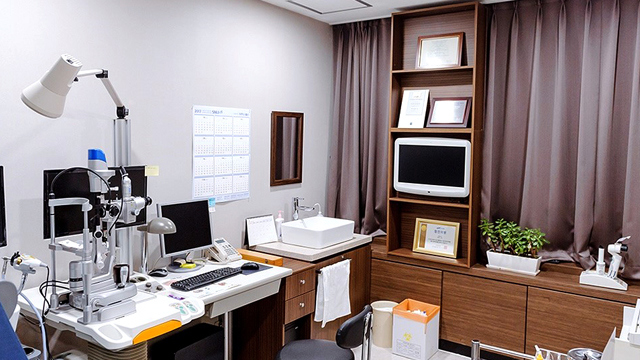
To have persistent or excessive tearing properly evaluated and to discuss which underlying cause may apply to your specific situation, contact Jamsil Samsung Eye Clinic in Songpa-gu, Seoul, through its online consultation and contact page or by phone at +82-2-424-7523.
Disclaimer
This page is for general informational purposes and does not constitute individualized medical advice. Diagnosis and treatment recommendations can only be determined through evaluation by a qualified physician.
Sources & Further Reading
Other Services
Explore additional ophthalmology treatments offered by our specialists.
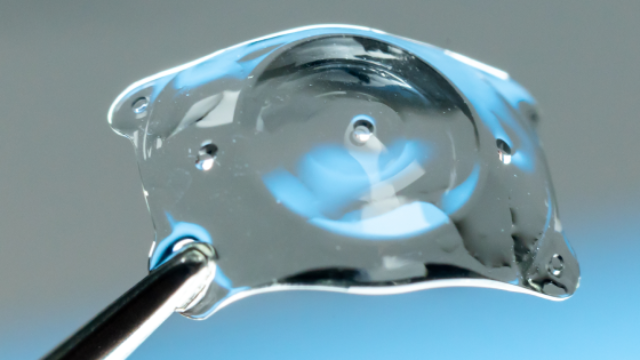
EVO AQUA ICL (Implantable Collamer Lens)
EVO AQUA ICL is a vision-correction procedure in which a specialized corrective lens made of biocompatible Collamer material is inserted directly between the natural lens and the iris, without damaging or reshaping the cornea.
Learn More

Presbyopia Surgery (Clareon PanOptix Pro)
Presbyopia surgery with the Clareon PanOptix Pro trifocal lens corrects presbyopia — the age-related loss of near-focusing ability caused by the eye's lens stiffening and losing elasticity, combined with reduced ciliary-muscle function — by implanting a
Learn More
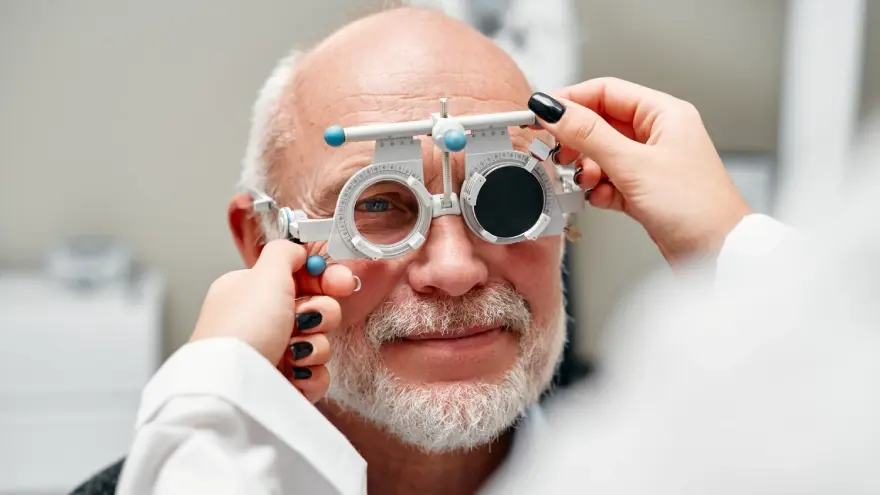
Presbyopia Precision Exam Program
The Presbyopia Precision Exam Program is a specialized diagnostic evaluation designed to thoroughly measure eye health, corneal state, and refractive index before prescribing presbyopia correction or laser vision procedures.
Learn More