Specialized Ophthalmology in Seoul · Dedicated International Patient Concierge
MOHW Registered · Foreign Patient Care
en-US

Dry Eye & Tear Duct Treatment · Needs Clinic Confirmation
Dry Eye Syndrome (IPL Treatment)
Dry eye syndrome is a common condition in which the eyes do not produce enough tears or produce tears of poor quality, leading to irritation, discomfort, and sometimes blurred vision.
Schedule a ConsultationDry Eye Syndrome (IPL Treatment)
Medically reviewed by Dr. Kim Byoung Jin, Director, Ophthalmologist, board-certified, Korean Ophthalmological Society
Dry eye syndrome is a common condition in which the eyes do not produce enough tears or produce tears of poor quality, leading to irritation, discomfort, and sometimes blurred vision. At Jamsil Samsung Eye Clinic in Songpa-gu, Seoul, Intense Pulsed Light (IPL) therapy is one treatment approach used for dry eye associated with meibomian gland dysfunction, working by targeting inflammation and abnormal blood vessels around the eyelids that contribute to poor tear film quality.
What Is Dry Eye Syndrome, and How Does IPL Treatment Help?
Because dry eye has multiple possible underlying causes, understanding which mechanism applies to a given patient shapes which treatment approach, including IPL, is likely to help.
Dry eye syndrome occurs when tear production is insufficient or when tears evaporate too quickly, often due to dysfunction of the meibomian glands, small oil-producing glands along the eyelid margin that normally help stabilize the tear film.
Meibomian gland dysfunction is one of the most common underlying causes of dry eye, and it involves blocked or poorly functioning oil glands that fail to produce the lipid layer needed to prevent tears from evaporating too quickly.
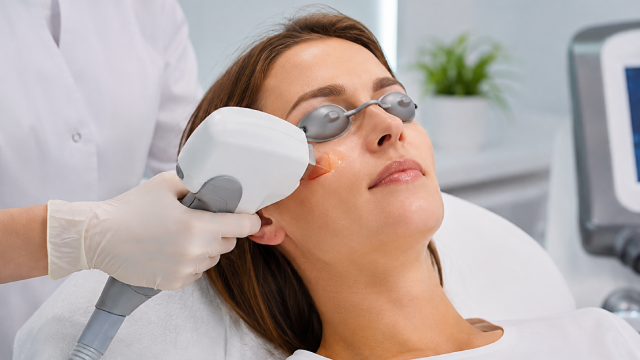
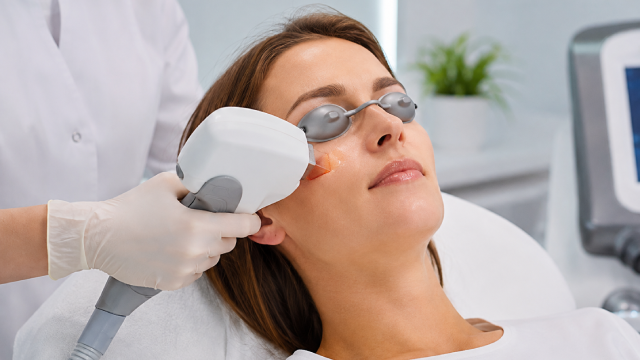
IPL therapy uses pulses of broad-spectrum light applied to the skin around the eyes, which can reduce inflammation, improve meibomian gland function, and target abnormal blood vessels that contribute to eyelid inflammation associated with dry eye.
Other causes of dry eye include reduced tear production due to aging, certain medications, autoimmune conditions such as Sjögren's syndrome, contact lens wear, and environmental factors such as dry or windy climates and extended screen use.
Symptoms can include a stinging or burning sensation, a feeling of grittiness or a foreign body in the eye, redness, sensitivity to light, blurred vision that improves with blinking, and, somewhat counterintuitively, excessive watering as the eye overcompensates for dryness.
IPL treatment is generally used as part of a broader dry eye management plan rather than a standalone cure, often combined with other approaches such as warm compresses, artificial tears, or prescription anti-inflammatory drops depending on the individual case.
Who Oversees Dry Eye and IPL Treatment at Jamsil Samsung Eye Clinic

Dr. Kim Byoung Jin, a director at Jamsil Samsung Eye Clinic, is a board-certified ophthalmologist and a full member of the Korean Ophthalmological Society, the Korean Society of Cataract and Refractive Surgery, and the Korean External Ocular Diseases Society (KEEDS) — a professional society specifically focused on external eye conditions including dry eye and meibomian gland disease, directly relevant to this treatment. His clinical focus on external ocular disease supports the evaluation and management of the tear film and eyelid gland dysfunction that underlie most cases of dry eye syndrome treated with IPL.
Who Is a Good Candidate for IPL Treatment
Patients with dry eye symptoms linked to meibomian gland dysfunction, particularly when eyelid inflammation or abnormal blood vessels around the eyes are contributing factors.
Patients who have not achieved adequate symptom relief from basic measures such as artificial tears or warm compresses alone.
Patients with certain skin conditions, active infections, or specific skin tones and light sensitivities may require additional assessment, since IPL involves light-based treatment applied near the eyes.
Patients whose dry eye is primarily due to causes unrelated to meibomian gland dysfunction, such as certain autoimmune conditions, may benefit more from other treatment approaches and should discuss the most appropriate option with their doctor.
What to Expect: The IPL Treatment Process and Results Timeline
IPL treatment for dry eye generally involves applying pulses of light to the skin around the eyes, typically over the cheeks and periorbital area, in a series of sessions rather than a single treatment. Before treatment, the eyes are protected with shields, and a cooling gel is generally applied to the treatment area. The procedure itself is usually well tolerated, and topical numbing may be used if needed, though it is not typically as involved as procedures requiring deeper anesthesia. A typical course involves multiple sessions spaced several weeks apart, since meibomian gland function tends to improve gradually with repeated treatment rather than after a single session.
Patients often notice some improvement in dry eye symptoms over the course of treatment, though the degree and pace of improvement vary between individuals, and IPL is generally described as improving symptoms rather than permanently curing the underlying tendency toward meibomian gland dysfunction. Maintenance sessions may be recommended periodically to sustain the benefit. Before treatment, patients should avoid significant sun exposure and certain skin products in the treatment area, and should inform the clinic of any photosensitizing medications or skin conditions. After each session, mild redness or warmth in the treated skin is common and generally resolves within hours to a day; patients are typically advised to avoid direct sun exposure and to use sun protection on the treated area afterward.
International Patient Considerations
International patients considering IPL for dry eye should understand that this treatment generally works through a series of multiple sessions rather than a single visit, so meaningful symptom improvement is more realistically achieved by planning for a treatment course, if feasible, or by discussing with the clinic in advance which portion of the course can reasonably be completed during a single trip to Seoul. Because meibomian gland dysfunction is a chronic tendency rather than something resolved permanently after one round of treatment, patients should also ask about maintenance session scheduling and whether periodic touch-up treatments could be coordinated during future visits or through a comparable treatment available at home. Patients should bring a summary of prior dry eye treatments tried, including any medicated drops or prior in-office procedures, since this history can help the clinic determine whether IPL alone is likely to be sufficient or whether it should be combined with other therapies from the outset.
Safety, Precision, and Clinic Standards
IPL devices used for dry eye treatment are designed to target the skin's blood vessels and reduce inflammation while protecting the eyes themselves with shields during treatment. Possible side effects include temporary redness, mild swelling, or warmth in the treated skin, and, less commonly, skin pigment changes, particularly in patients with certain skin tones, which is why a pre-treatment skin assessment is generally part of candidacy evaluation. IPL is not appropriate for all skin types or for patients with certain active skin conditions or recent significant sun exposure in the treatment area, and these factors are generally reviewed before a treatment course begins.
Evaporative Versus Aqueous-Deficient Dry Eye
Dry eye is broadly divided into two overlapping categories, and understanding which type — or combination of types — applies to a given patient helps explain why IPL is recommended for some dry eye patients but not others. Evaporative dry eye, the more common category, occurs when tears evaporate too quickly, most often due to meibomian gland dysfunction and the resulting deficiency in the tear film's protective lipid layer; this is the mechanism IPL is specifically designed to address by improving gland function and reducing eyelid inflammation. Aqueous-deficient dry eye, by contrast, occurs when the lacrimal glands do not produce enough of the watery component of tears, which can result from aging, certain medications, or autoimmune conditions such as Sjögren's syndrome; this form generally responds better to tear-stimulating or tear-replacement strategies than to IPL alone. Many patients have a mixed presentation with elements of both categories, which is part of why a thorough evaluation of tear film composition and meibomian gland structure is generally performed before recommending IPL specifically, rather than assuming every dry eye complaint has the same underlying mechanism.
Comparing Dry Eye Treatment Approaches
| Approach | Typical Use | Considerations |
|---|---|---|
| Artificial tears | First-line, mild dry eye | Over-the-counter, used as needed |
| Warm compresses | Mild to moderate meibomian gland dysfunction | Home-based, low cost, requires consistency |
| Prescription anti-inflammatory drops | Moderate to more persistent dry eye | Requires ongoing use as prescribed |
| IPL therapy | Meibomian gland dysfunction with inflammatory component | Series of sessions; addresses underlying gland and vascular factors |
Alternative and complementary approaches include punctal plugs to reduce tear drainage, prescription anti-inflammatory eye drops, eyelid hygiene routines, and, for select cases, other in-office meibomian gland treatments; the most appropriate combination depends on the specific underlying cause and severity of a patient's dry eye.
Combining IPL Treatment with Other Dry Eye Care

IPL treatment for dry eye is frequently combined with a broader dry eye management plan, including warm compresses, artificial tears, and, in some cases, prescription drops, rather than being used as an isolated standalone treatment; addressing meibomian gland dysfunction from multiple angles is generally considered more effective than any single approach alone.
Patients sometimes expect a single IPL session to resolve their dry eye symptoms entirely, but a more realistic framing is that IPL works best as part of a structured course of treatment combined with consistent daily eye care habits, since meibomian gland dysfunction tends to be a chronic tendency that benefits from ongoing management rather than a one-time fix.
The Bottom Line
Dry eye syndrome often involves meibomian gland dysfunction, where blocked or poorly functioning oil glands fail to stabilize the tear film.
IPL therapy uses light pulses applied to the skin around the eyes to reduce inflammation and improve meibomian gland function.
A typical IPL course involves multiple sessions spaced weeks apart, since gland function improves gradually with repeated treatment.
IPL is generally used as part of a broader dry eye management plan, often combined with artificial tears, warm compresses, or prescription drops.
Dr. Kim Byoung Jin's membership in the Korean External Ocular Diseases Society reflects a clinical focus directly relevant to dry eye and meibomian gland treatment.
Frequently Asked Questions
How many IPL sessions will I need for dry eye? This varies by individual case, but a typical course involves multiple sessions spaced several weeks apart, since meibomian gland function tends to improve gradually with repeated treatment rather than after a single session; your doctor can give a more specific estimate after evaluation.
Is IPL treatment painful? IPL treatment for dry eye is generally well tolerated; the eyes are protected with shields and a cooling gel is typically applied to the treatment area, and topical numbing may be used if needed, though it is not usually as involved as procedures requiring deeper anesthesia.
Will IPL cure my dry eye permanently? IPL is generally described as improving dry eye symptoms rather than permanently curing the underlying tendency toward meibomian gland dysfunction; periodic maintenance sessions may be recommended to sustain the benefit over time.
Who is not a good candidate for IPL treatment? Patients with certain active skin conditions, specific skin tones and light sensitivities, or recent significant sun exposure in the treatment area may require additional assessment or may not be suitable candidates; a pre-treatment evaluation helps determine this.
Can I combine IPL with other dry eye treatments? Yes — IPL is frequently combined with a broader dry eye management plan including artificial tears, warm compresses, or prescription anti-inflammatory drops, since addressing meibomian gland dysfunction from multiple angles is generally considered more effective than relying on a single approach alone.
Book a Consultation at Jamsil Samsung Eye Clinic
To discuss whether IPL treatment is right for your dry eye symptoms, contact Jamsil Samsung Eye Clinic in Songpa-gu, Seoul, through its online consultation and contact page or by phone at +82-2-424-7523.
Disclaimer
This page is for general informational purposes and does not constitute individualized medical advice. Diagnosis and treatment recommendations can only be determined through evaluation by a qualified physician.
Sources & Further Reading
Other Services
Explore additional ophthalmology treatments offered by our specialists.
EVO AQUA ICL (Implantable Collamer Lens)
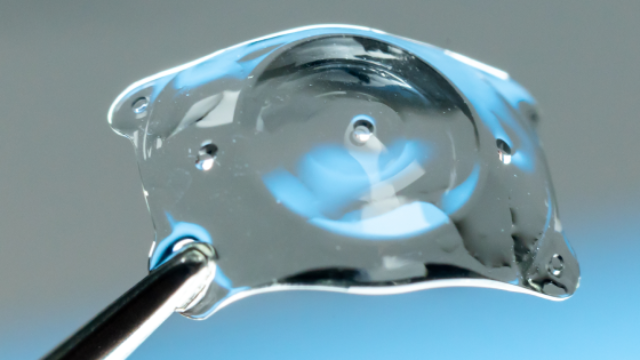
EVO AQUA ICL is a vision-correction procedure in which a specialized corrective lens made of biocompatible Collamer material is inserted directly between the natural lens and the iris, without damaging or reshaping the cornea.
Learn More

Presbyopia Surgery (Clareon PanOptix Pro)
Presbyopia surgery with the Clareon PanOptix Pro trifocal lens corrects presbyopia — the age-related loss of near-focusing ability caused by the eye's lens stiffening and losing elasticity, combined with reduced ciliary-muscle function — by implanting a
Learn More
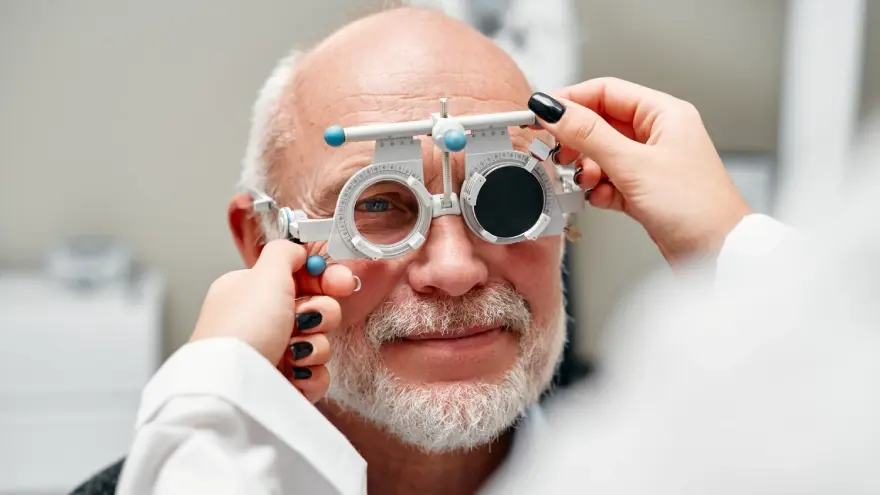
Presbyopia Precision Exam Program
The Presbyopia Precision Exam Program is a specialized diagnostic evaluation designed to thoroughly measure eye health, corneal state, and refractive index before prescribing presbyopia correction or laser vision procedures.
Learn More