Specialized Ophthalmology in Seoul · Dedicated International Patient Concierge
MOHW Registered · Foreign Patient Care
en-CA

Presbyopia Care · Needs Clinic Confirmation
Laser Presbyopia & Cataract Combined Surgery
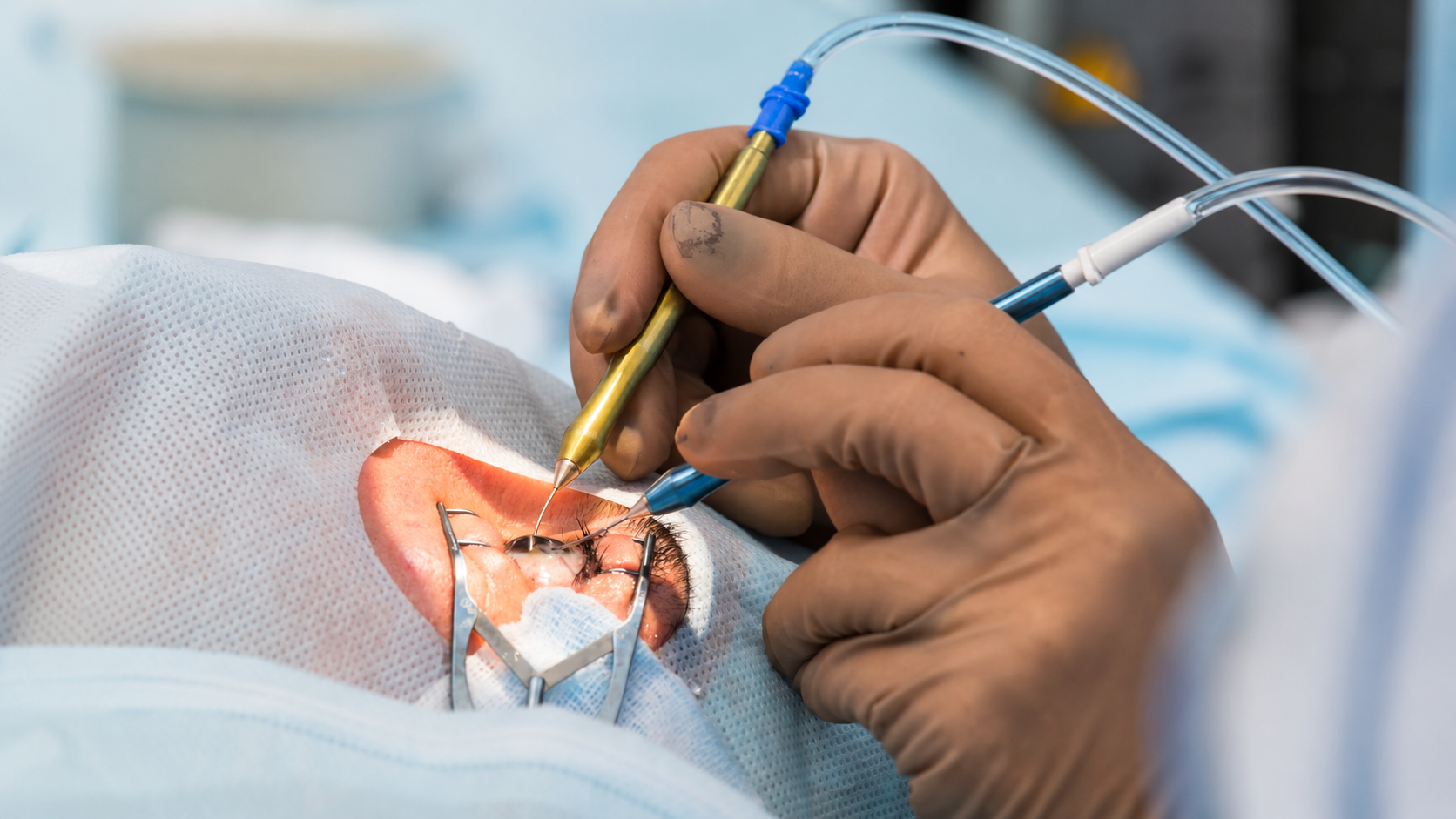
Laser Presbyopia & Cataract Combined Surgery is a lens-based procedure that treats cataracts and presbyopia together by removing the cloudy natural lens and replacing it with an intraocular lens (IOL) selected to address the patient’s visual needs.
Schedule a ConsultationLaser Presbyopia & Cataract Combined Surgery
Medically reviewed by Dr. Cha Deok Sun, Director, Ophthalmologist (Ph.D.), board-certified, Korean Ophthalmological Society
Laser Presbyopia & Cataract Combined Surgery is a lens-based procedure that treats cataracts and presbyopia together by removing the cloudy natural lens and replacing it with an intraocular lens (IOL) selected to address the patient's visual needs. At Jamsil Samsung Eye Clinic in Songpa-gu, Seoul, this addresses reduced vision from cataracts and dependence on glasses from presbyopia through a single treatment plan, subject to individual evaluation.
What Is This Combined Surgery?
Understanding this option matters most for patients approaching cataract surgery who have never separately considered whether they also want to address their presbyopia during the same procedure.
This procedure treats two age-related eye conditions — cataracts and presbyopia — in a single lens-implant surgery rather than as two separate treatments.
The cloudy natural lens is removed and replaced with an artificial IOL selected to address the patient's visual needs, which can include a presbyopia-correcting design.
International patients may seek this combined treatment to address reduced vision and dependence on glasses through one treatment plan, subject to individual evaluation.
Best candidates are adults with cataracts who also have presbyopia and may benefit from a presbyopia-correcting IOL, with candidacy depending on eye health, visual needs, measurements, and realistic expectations.
Cataract surgery can restore clearer vision by replacing the cloudy lens, and presbyopia-correcting IOLs may also improve near and intermediate vision, reducing dependence on glasses, although glasses may still be needed for some activities.
Standard monofocal IOL cataract surgery — correcting distance vision only, with reading glasses still needed — remains the lower-cost, simpler alternative for patients who do not want or need presbyopia correction.
Who Performs This Combined Surgery at Jamsil Samsung Eye Clinic

Dr. Cha Deok Sun, a director at Jamsil Samsung Eye Clinic, is a board-certified ophthalmologist with a Ph.D. in medicine whose core specialisations are presbyopia surgery, cataract surgery, and vision-correction surgery. He completed his ophthalmology residency at Korea University Hospital and a cornea and cataract fellowship at Seoul National University, and holds a 2018 patent for an intraocular lens used in cataract surgery — directly relevant to a procedure combining cataract and presbyopia lens selection. His 2016 ESCRS poster research on protecting corneal endothelial cells during phacoemulsification received second place in that year's ESCRS Poster Competition. He is a full member of the Korean Ophthalmological Society, the Korean Society of Cataract and Refractive Surgery, the American Society of Cataract and Refractive Surgery (ASCRS), and the European Society of Cataract and Refractive Surgeons (ESCRS).
Who Is a Good Candidate for This Combined Surgery
Many cataract patients in their 40s and older also have some degree of age-related presbyopia, which is part of why the clinic evaluates both conditions together at the same visit rather than treating them as entirely separate concerns requiring separate consultations.
Adults with cataracts who also have presbyopia and may benefit from a presbyopia-correcting intraocular lens.
Patients whose candidacy depends on eye health, visual needs, biometric measurements, and realistic expectations about visual outcomes at multiple distances.
Not suitable, or requiring additional assessment, in people with significant corneal disease, retinal disease, glaucoma, severe ocular surface problems, or other conditions that can affect the expected visual outcome.
Patients who prefer the most predictable single-distance vision outcome, and are comfortable continuing to use reading glasses, may be better suited to a standard monofocal IOL instead.
What to Expect: Procedure, Recovery, and Results Timeline
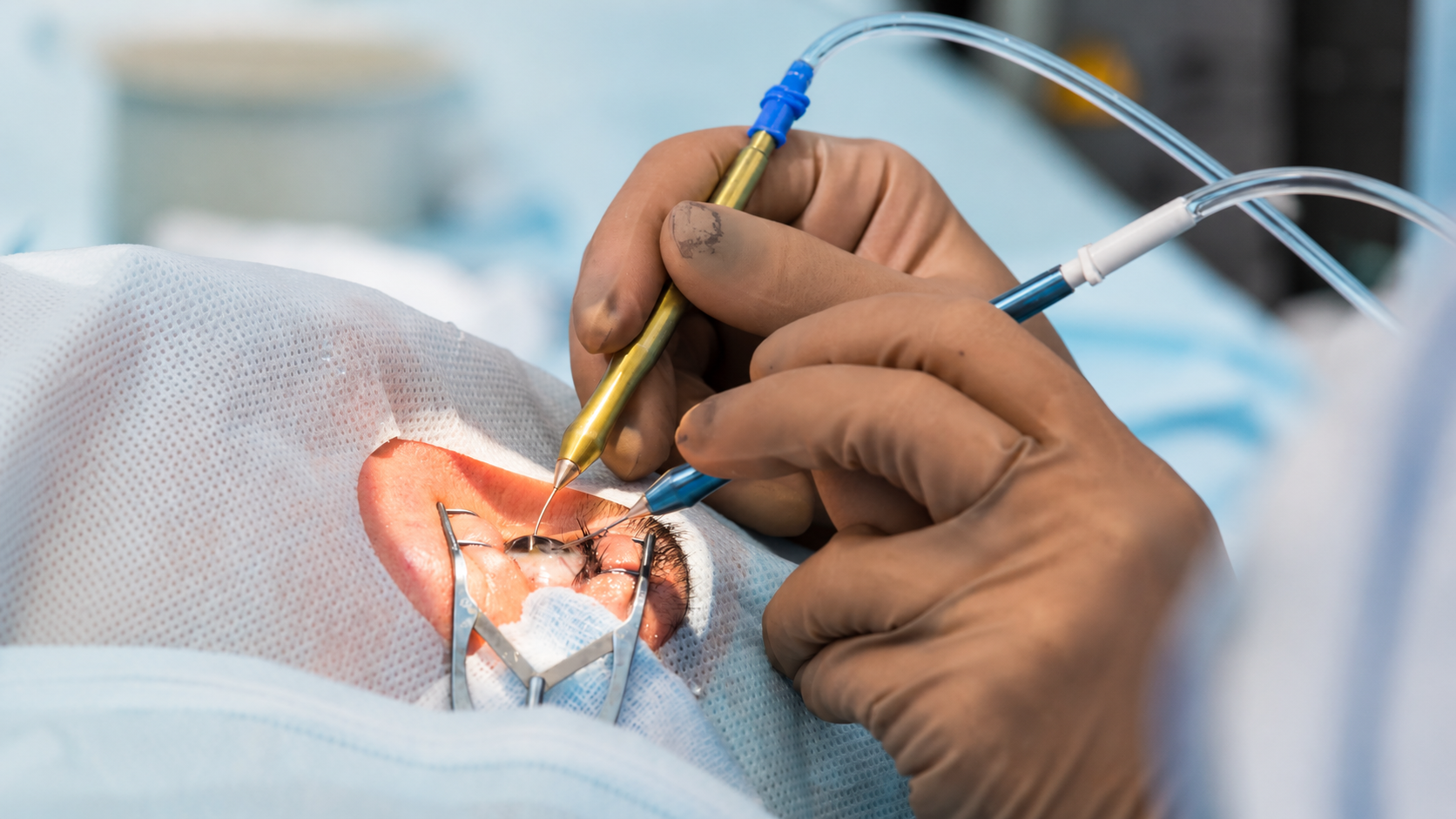
Evaluation generally includes vision testing, eye-pressure measurement, examination of the front and back of the eye, and measurements used to select and calculate the appropriate IOL. The cloudy natural lens is then removed through cataract surgery, and an artificial IOL is placed inside the eye; the selected lens can be designed to provide distance vision alone or distance plus some near and intermediate vision, depending on the patient's needs and candidacy. The surgery is typically performed using local or topical anaesthesia rather than general anaesthesia, with the exact approach determined by the surgeon and patient factors.
Many patients go home shortly after surgery, and vision may improve relatively quickly, though the eye continues healing over the following days and weeks; follow-up and visual stabilisation vary by patient and by the specific IOL type selected. Before surgery, a complete eye examination and biometric measurements are needed, and patients should provide information about previous eye surgery, contact-lens use, medications, and existing eye conditions. Aftercare includes using prescribed eye drops as directed, avoiding rubbing or pressing on the eye, preventing soap or water from entering the eye, and using a protective eye shield while sleeping when instructed, with activity restrictions following the surgeon's specific advice.
Safety, Precision, and Clinic Standards
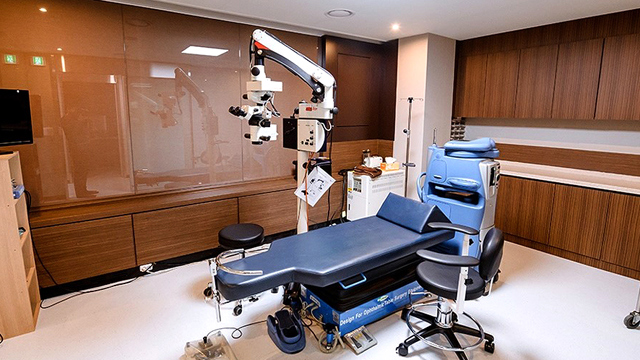
Modern cataract and presbyopia combined surgery may use phacoemulsification technology, IOL calculation and biometry systems, surgical microscopes, and presbyopia-correcting IOLs, with the exact equipment confirmed with the treating provider. Possible risks include infection, inflammation, increased eye pressure, retinal swelling, retinal detachment, bleeding, IOL displacement, glare or halos, residual refractive error, and vision loss; the preoperative evaluation — including vision testing, eye-pressure measurement, and front and back of the eye examination — is designed to identify patients for whom these risks would be elevated before recommending a presbyopia-correcting lens specifically. Clearer vision may be noticed soon after surgery, but residual refractive errors or later conditions such as posterior capsule opacification can require additional treatment separate from the original combined procedure.
Aftercare follows the clinic's general cataract-surgery timeline: patients can generally walk and resume most quiet daily activities immediately after surgery, wear a protective eye shield on the day of surgery, and begin prescribed eye drops roughly six times daily for at least a month starting the day after surgery. Direct water on the face should be avoided for about a week (showering and hair-washing are generally fine after about three days), sauna or jjimjilbang use after about four weeks, alcohol after about two weeks, light exercise such as walking after about two weeks, and vigorous exercise such as swimming or basketball after about eight weeks; daytime driving is generally possible from around two weeks depending on individual adaptation to the new lens.
International Patient Considerations
International patients considering this combined procedure should plan around the full four-to-six-week healing window common to cataract surgery generally, with additional time for neuroadaptation if a multifocal, presbyopia-correcting lens is selected — this adaptation period can extend over additional weeks to months beyond the initial surgical recovery. Because eligibility for a presbyopia-correcting IOL specifically depends on eye health, corneal and retinal condition, and biometric measurements rather than being decided in advance, the pre-operative evaluation determines which lens options are realistic once a patient arrives for consultation. Patients should discuss with the clinic in advance how many follow-up visits are recommended and whether these can be coordinated with a local eye care provider once they return home, particularly given the extended neuroadaptation period associated with multifocal lenses.
How This Compares to Cataract Surgery Alone
| Approach | Distance Vision | Near/Intermediate Vision | Reading Glasses Needed? |
|---|---|---|---|
| Cataract surgery with monofocal IOL | Corrected | Not corrected | Generally yes |
| Combined cataract + presbyopia surgery (multifocal IOL) | Corrected | Corrected at near and intermediate ranges | Reduced dependence; some tasks may still benefit from glasses |
Choosing between these two approaches is one of the more consequential decisions a cataract patient with presbyopia will make. A monofocal IOL is the most predictable option in terms of overall visual quality and contrast sensitivity, while a presbyopia-correcting IOL is designed to provide functional vision at multiple distances, at the cost of a period of neuroadaptation and a somewhat higher chance of noticing halos or glare at night. The clinic's evaluation is what determines which category is realistic for a given patient, based on eye health, measurements, and personal priorities.
Combining This Procedure with Other Treatments
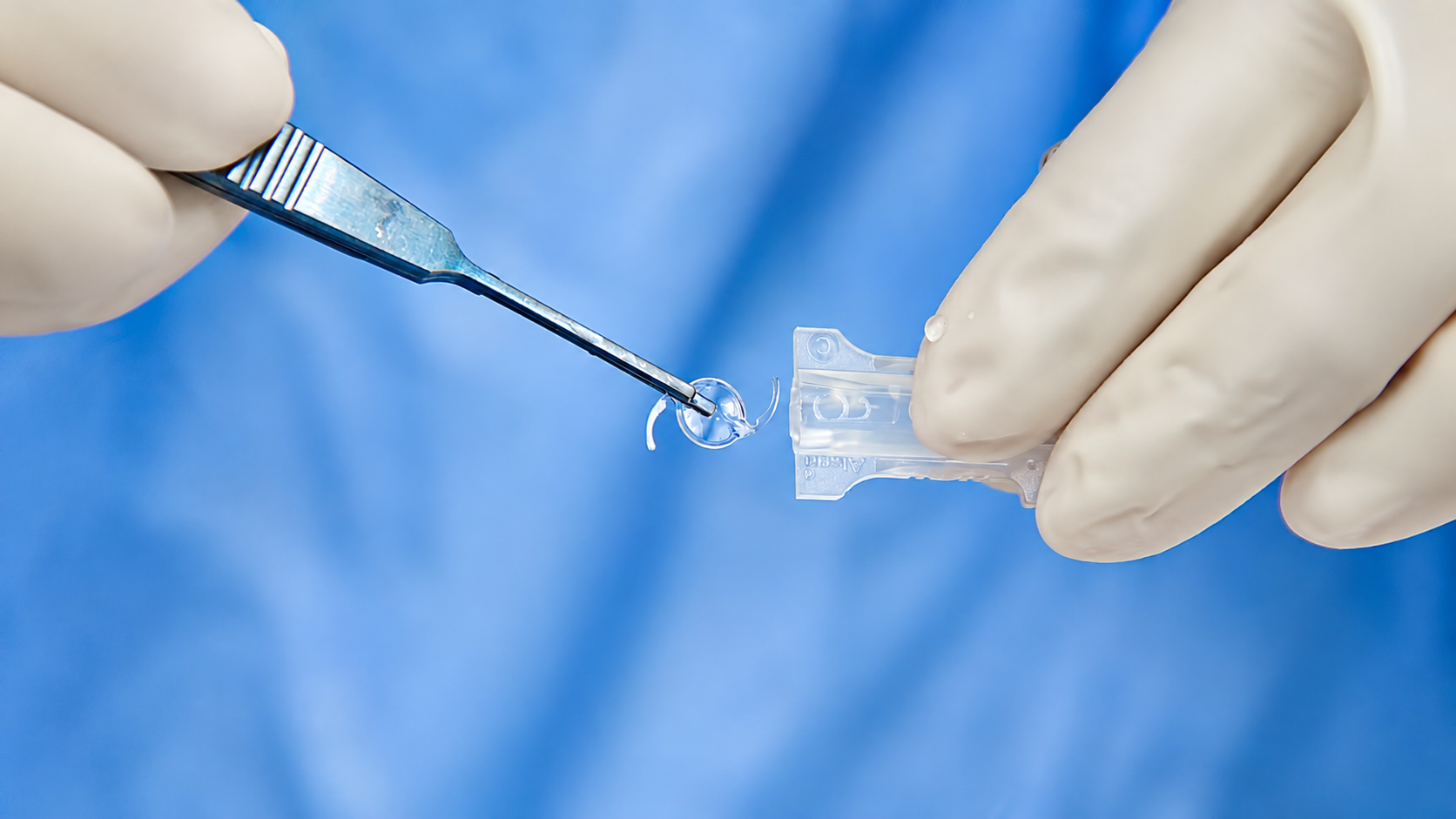
Cataract extraction with implantation of a presbyopia-correcting IOL is itself the combination described here, addressing cataract-related vision loss and age-related near-vision loss in a single procedure when medically appropriate.
Patients considering this combined approach should treat the choice of IOL as the central decision in the entire procedure, since it is the lens design — not the surgical technique used to remove the cataract itself — that determines whether presbyopia is also addressed and to what degree glasses independence is achieved afterward.
The Bottom Line
This procedure removes the cloudy natural lens and replaces it with an IOL that can address presbyopia as well as cataract-related vision loss, in a single surgery.
Candidacy depends on eye health, visual needs, and measurements — not every cataract patient with presbyopia is an ideal candidate for a presbyopia-correcting lens.
A standard monofocal IOL remains a simpler, lower-cost alternative for patients who do not want or need presbyopia correction.
Dr. Cha Deok Sun's intraocular lens patent and core specialisation in cataract and presbyopia surgery are directly relevant to this combined procedure.
Results, including the degree of glasses independence achieved, vary between patients and are not guaranteed.
Frequently Asked Questions
Can cataracts and presbyopia really be treated in one surgery?
Yes, for suitable candidates. The cloudy natural lens is removed and replaced with a presbyopia-correcting intraocular lens, addressing both conditions in a single procedure rather than requiring separate treatments.
Who is not a good candidate for the combined procedure?
Patients with significant corneal disease, retinal disease, glaucoma, or severe ocular surface problems may require additional assessment or may not be suitable for a presbyopia-correcting lens specifically, even if they are candidates for standard cataract surgery.
Will I still need reading glasses after this combined surgery?
It depends on the lens selected and your individual outcome. A presbyopia-correcting IOL is designed to reduce dependence on reading glasses, though some patients may still need them for specific tasks such as very fine print.
What are the risks of combined cataract and presbyopia surgery?
Recognised risks include infection, inflammation, increased eye pressure, retinal complications, bleeding, IOL displacement, glare or halos, and residual refractive error, similar to cataract surgery generally, with additional consideration given to lens-specific outcomes for the presbyopia-correcting design.
How is this different from choosing a standard cataract surgery?
Standard cataract surgery with a monofocal IOL corrects distance vision only, generally leaving reading glasses necessary, while this combined approach uses a presbyopia-correcting IOL to also address near and intermediate vision, at the cost of some additional visual trade-offs such as a neuroadaptation period.
How much time should I plan for recovery if I'm travelling for this procedure?
Plan around the standard four-to-six-week cataract healing window at minimum, with additional weeks to months if a presbyopia-correcting multifocal lens is chosen, since neuroadaptation to that lens type continues beyond the initial surgical recovery period.
Book a Consultation at Jamsil Samsung Eye Clinic
To discuss whether combined cataract and presbyopia surgery is the right approach for your eyes, contact Jamsil Samsung Eye Clinic in Songpa-gu, Seoul, through its online consultation and contact page or by phone at +82-2-424-7523 to schedule a comprehensive evaluation.
Disclaimer
This page is for general informational purposes and does not constitute individualised medical advice. Surgical candidacy, technique, and expected outcomes can only be determined through a consultation with a qualified physician.
Other Services
Explore additional ophthalmology treatments offered by our specialists.
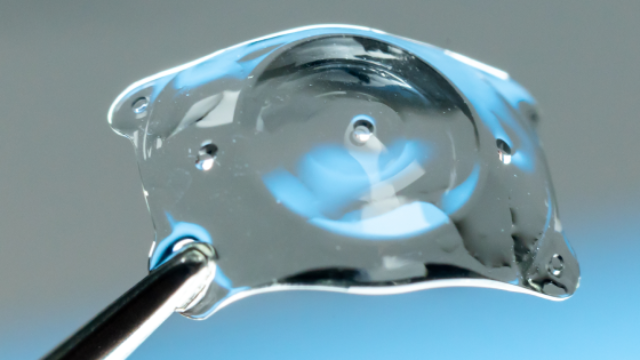
EVO AQUA ICL (Implantable Collamer Lens)
EVO AQUA ICL is a vision-correction procedure in which a specialized corrective lens made of biocompatible Collamer material is inserted directly between the natural lens and the iris, without damaging or reshaping the cornea.
Learn More

Presbyopia Surgery (Clareon PanOptix Pro)
Presbyopia surgery with the Clareon PanOptix Pro trifocal lens corrects presbyopia — the age-related loss of near-focusing ability caused by the eye's lens stiffening and losing elasticity, combined with reduced ciliary muscle function — by implanting a
Learn More
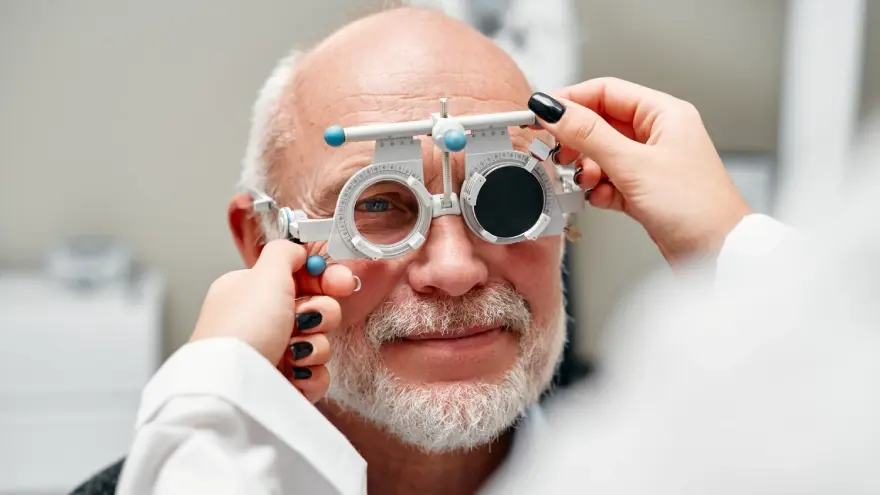
Presbyopia Precision Examination Program
The Presbyopia Precision Examination Program is a specialized diagnostic evaluation designed to thoroughly assess eye health, corneal condition, and refractive index before prescribing presbyopia correction or laser vision procedures.
Learn More