Specialized Ophthalmology in Seoul · Dedicated International Patient Concierge
MOHW Registered · Foreign Patient Care
en-CA

About Jamsil Samsung Eye Clinic
Over 20 years of ophthalmology excellence, precision diagnostics, and patient-centered eye care in Seoul.
Led by Representative Director Dr. Kim Byoung Jin (Ph.D.), our four board-certified ophthalmologists combine university-hospital diagnostic systems, the Bright Eyes Research Institute, and multilingual international patient support.
OUR CORE VALUES
Clinical principles guiding every eye examination, consultation, and surgery.
Clinical Integrity
Honest, evidence-based surgical and non-surgical recommendations tailored to each patient’s cornea, retina, and visual goals.
Safety First
Multi-step preoperative safety screening, A.I.-assisted diagnostic verification, and structured postoperative care.
Global Accessibility
Registered institution for international patients with coordinated care in English, Mongolian, and Russian.
Jamsil Samsung Eye Clinic – Advanced Ophthalmology Care in Songpa-gu, Seoul
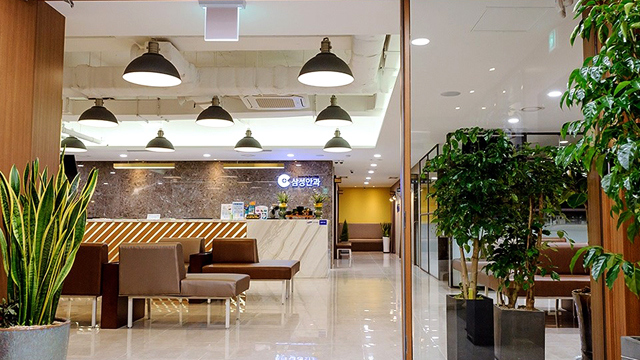
Jamsil Samsung Eye Clinic is an ophthalmology practice on the 7th floor of the Seokyeong Building in Songpa-gu, Seoul, led by representative director Dr. Kim Byoung Jin, an ophthalmologist certified by the Korean Ophthalmological Society with a Ph.D. in medicine. The clinic's four ophthalmologist directors cover vision-correction surgery, cataract and presbyopia care, and lacrimal and eyelid conditions, with procedures including Clear Smile LASIK, LASEK, implantable collamer lens (ICL) surgery, and multifocal-lens cataract and presbyopia surgery. It operates under the guiding philosophy "We See Your Dreams," and is registered with Korea's Ministry of Health and Welfare as a medical institution for attracting foreign patients.
Our Story & Mission
Jamsil Samsung Eye Clinic operates in the Jamsil area of Songpa-gu, Seoul, under representative director Dr. Kim Byoung Jin. The clinic states its guiding philosophy as "We See Your Dreams — Jamsil Samsung Eye Clinic," describing itself as an ophthalmology medical institution that places patient safety and a brighter future first, built on a systematic medical care system and extensive clinical experience. The clinic organises its work around five specialty lines: Vision Correction Surgery; Cataract & Presbyopia Surgery; Retina & Glaucoma Clinic; Pediatric & Lens (Ortho-K/Dream Lens) Clinic; and Dry Eye & Tear-Circulation Clinic. It is also a designated Veterans Affairs (MPVA) contracted ophthalmology clinic and a cooperating hospital of the Doosan Bears professional baseball club, alongside its Ministry of Health and Welfare registration for treating foreign patients under Korea's Medical Overseas Expansion and Foreign Patients Attraction Act.
Specialty Care Areas
The clinic organises its clinical work into five specialty lines:
Vision Correction Surgery — Clear Smile LASIK, Z8 Premium LASIK, LASEK, High Premium LASIK, and corneal collagen cross-linking (CXL) for corneal strengthening.
Cataract & Presbyopia Surgery — cataract surgery and presbyopia correction using premium multifocal lens technology such as the Clareon PanOptix Pro.
Implantable Lens Surgery — EVO AQUA ICL and T-ICL (Toric ICL) implantation for patients not suited to laser vision correction, including high myopia and astigmatism cases.
Retina & Glaucoma Clinic — diagnosis and treatment of glaucoma, diabetic retinopathy, macular degeneration, and floaters (myodesopsia).
Pediatric & Lens (Ortho-K/Dream Lens) Clinic and Dry Eye & Tear-Circulation Clinic — orthokeratology (Dream Lens) for children and adults, and IPL-based treatment for dry eye syndrome and epiphora (excessive tearing).
Our Philosophy & Approach to Care
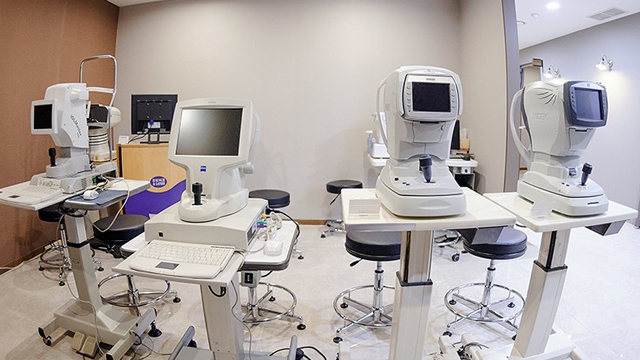
The clinic describes its treatment approach for vision-correction surgery through what it calls its SMART program, built around the following principles:
Sharp & Safe results — individualised procedure selection based on each patient's eye condition.
Mitomycin use — applied during select procedures to help reduce corneal haze and myopia regression.
Accelerated Recovery — protocols intended to support faster visual recovery.
Relief of Pain & Discomfort — perioperative measures aimed at patient comfort.
Total Care — coordinated care before and after surgery, rather than treatment limited to the day of the procedure.
Medical Leadership & Physician Credentials
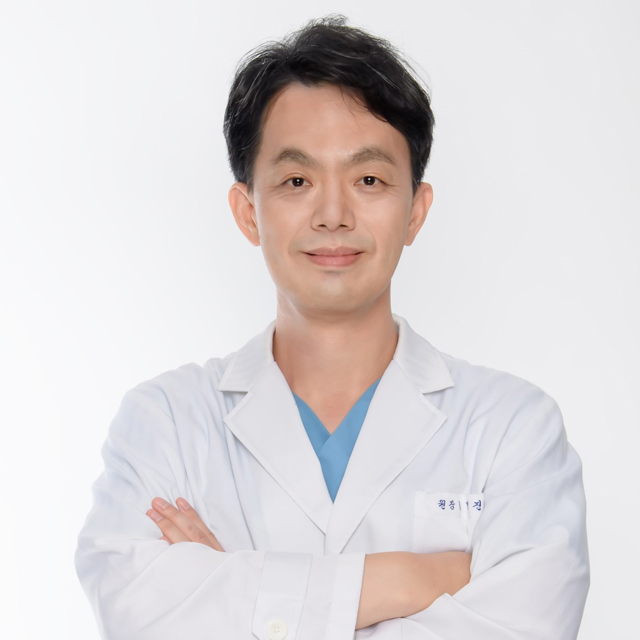
Dr. Kim Byoung Jin is the representative director of Jamsil Samsung Eye Clinic and an ophthalmologist certified by the Korean Ophthalmological Society, holding a Ph.D. in medicine. He completed the Graduate School of Public Health at Seoul National University and the Advanced Healthcare Management Program at Seoul National University Hospital. He trained as an ophthalmology fellow at Samsung Seoul Hospital, and has held visiting-professor appointments at Seirei Hamamatsu Hospital in Japan and Columbia University Hospital in New York, where he also completed a postdoctoral researcher program. His specialties are refractive and vision-correction surgery, presbyopia and cataract surgery, and oculoplastic and eyelid surgery, including epicanthoplasty, blepharoptosis (ptosis) repair, and lacrimal drainage and epiphora treatment. He is a member of the American Society of Cataract and Refractive Surgery (ASCRS), the European Society of Cataract and Refractive Surgeons (ESCRS), and the American Academy of Ophthalmology (AAO), and has served as Vice President of the Songpa-gu Medical Association, an external professor at Sungkyunkwan University and Hallym University, and a director of the Korean Society of Ophthalmic Plastic and Reconstructive Surgery. He has authored ophthalmology research spanning 1994 to 2006 in publications including the Journal of the Korean Ophthalmological Society and Ophthalmic Plastic & Reconstructive Surgery, and has presented at ophthalmology and oculoplastic meetings in Korea, Japan, China, Greece, Australia, and the United States. He also serves as a medical advisor to Samsung Seoul Hospital and Asan Medical Center, and holds full membership in the Korean Optometric Society's Contact Lens Research Group.
Meet Our Medical Team
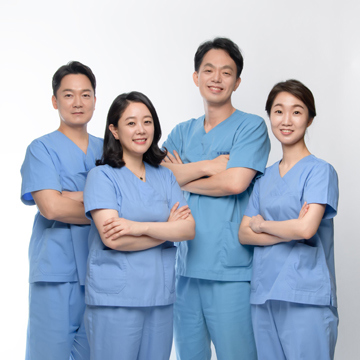
Dr. Kim Byoung Jin — Representative Director, Ophthalmologist (Ph.D.), certified by the Korean Ophthalmological Society. Specialises in refractive/vision-correction surgery, presbyopia and cataract surgery, and oculoplastic/lacrimal surgery. Fellowship at Samsung Seoul Hospital; member of ASCRS, ESCRS, and AAO.
Dr. Cha Deok Sun — Director, Ophthalmologist (Ph.D.), certified by the Korean Ophthalmological Society. Specialises in presbyopia surgery, cataract surgery, and vision-correction surgery. Completed an ophthalmology residency at Korea University Hospital and a cornea and cataract fellowship at Seoul National University; holds a 2018 intraocular lens patent and took 2nd place in the 2016 ESCRS Poster Competition.
Dr. Kim Yoon Kyung — Director, Ophthalmologist (Master of Medicine), certified by the Korean Ophthalmological Society. Specialises in orthokeratology (Dream Lens) and vision-correction/refractive surgery. Graduate of Soonchunhyang University College of Medicine, with ophthalmology specialist training at Soonchunhyang University Hospital; previously Director of Woori Yonsei Eye Clinic.
Dr. Choi Ah Young — Ophthalmologist (M.S. in Medicine), certified by the Korean Ophthalmological Society. Specialises in orthokeratology (Dream Lens), presbyopia and cataract surgery, and vision-correction surgery. Trained at Ajou University College of Medicine with a cornea and cataract fellowship at Ajou University, plus clinical training at Stony Brook University Hospital, State University of New York; former Chief of Ophthalmology at Dongsuwon Hospital.
Dr. Cha Deok Sun's core specialisations are presbyopia surgery, cataract surgery, and vision-correction surgery. His academic work includes 2016 European Society of Cataract and Refractive Surgeons (ESCRS) poster research on protecting corneal endothelial cells during phacoemulsification using a senofilcon A mechanical protector, which received 2nd place in the ESCRS Poster Competition that year. He previously served as Chief Physician at Pyeongtaek Kim Eye Hospital and as a dedicated ophthalmic surgeon at Cheonho ELC Eye Clinic, and holds full memberships in the Korean Ophthalmological Society, the Korean Society of Cataract and Refractive Surgery, ASCRS, and ESCRS.
Dr. Kim Yoon Kyung's clinical and research focus spans orthokeratology (Dream Lens) and vision-correction surgery, supported by seven published works covering topics including open-angle glaucoma, corneal curvature after eyelid surgery, retinal electrophysiology in diabetic retinopathy, and imaging findings in Vogt-Koyanagi-Harada disease. She holds regular memberships in the Korean Ophthalmological Society, the Korean Optometric Association, the Korean Contact Lens Society, the Korean External Ocular Diseases Society, and the Korean Society of Cataract and Refractive Surgery.
Dr. Choi Ah Young's specialties are orthokeratology (Dream Lens), presbyopia and cataract surgery, and vision-correction surgery. Her published research includes work on myopic progression and postoperative exodrift in intermittent exotropia and on orbital wall fracture repair, and she presented at the European Association for Vision and Eye Research (EVER) in 2012 and the Association for Research in Vision and Ophthalmology (ARVO) in 2013. She received an Excellence Award for a poster presentation at the 113th Spring Meeting of the Korean Ophthalmological Society in 2015, and holds memberships in ARVO, EVER, and the Korean Society of Cataract and Refractive Surgery, among others.
Facility, Technology & Safety Standards
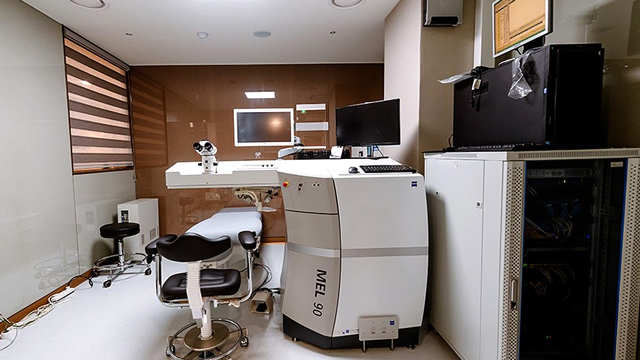
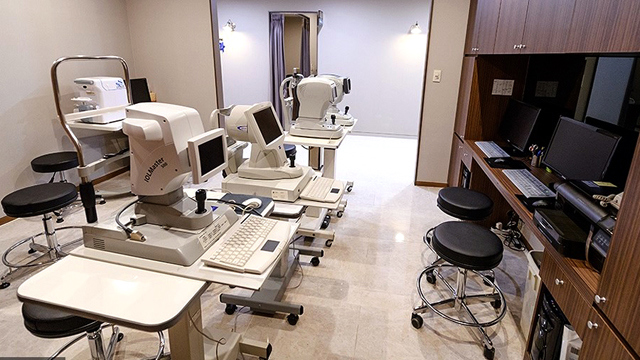
Jamsil Samsung Eye Clinic uses the following diagnostic and surgical equipment:
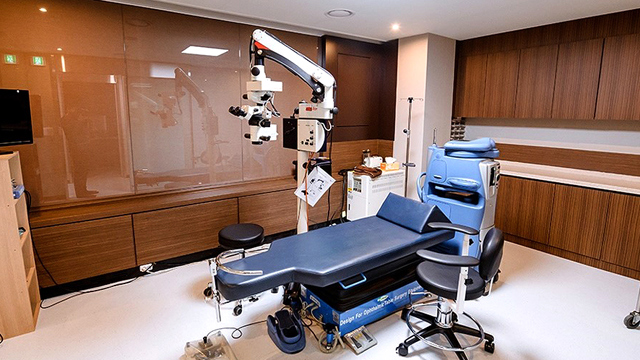
ZEISS Triple A MEL 90 excimer laser, used in laser vision-correction procedures.
ZIEMER FEMTO LDV Z8 femtosecond laser, used for Z8 Premium LASIK and related procedures.
ALCON INFINITI phacoemulsification system, used in cataract surgery.
AVEDRO XTRA corneal cross-linking system, used for corneal collagen cross-linking (CXL).
OPTOMAP ultra-widefield retinal imaging, used for retinal diagnostics.
IOL Master 700 biometry system, used for intraocular lens power calculation.
K5M corneal topography system, used for corneal curvature and refractive-surgery evaluation.
For its vision-correction procedures, the clinic states that Mitomycin is used in select cases to help reduce corneal haze and myopia recurrence, as part of its broader SMART program of individualised procedure selection and coordinated pre- and post-operative care.
Accreditations & Certifications
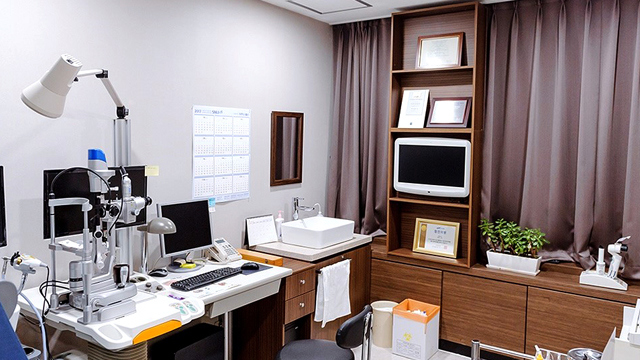
Registered Medical Institution for Attracting Foreign Patients — certified by Korea's Ministry of Health and Welfare under the Medical Overseas Expansion and Foreign Patients Attraction Act, which governs which Korean medical institutions may legally treat and market to international patients.
Certified ophthalmologists — all four of the clinic's directors are certified by the Korean Ophthalmological Society, the national professional body for ophthalmology in Korea.
The clinic also holds business registration number 215-22-99301 and is designated as a Veterans Affairs (MPVA) contracted ophthalmology clinic and a cooperating hospital of the Doosan Bears professional baseball club.
Patient Experience & Consultation Model
Initial inquiry — patients contact the clinic through its website contact page or by phone for an initial inquiry.
Online or phone consultation — the clinic offers telephone consultation, online consultation and reservation, and email reply requests, with in-house English-language support for inquiry, consultation, surgery day, aftercare, and emergency needs.
In-person examination — patients undergo the relevant diagnostic work-up (e.g., corneal topography, biometry, or retinal imaging) to confirm candidacy for their procedure of interest.
Procedure and total care — treatment follows the clinic's SMART program, which includes coordinated care before and after surgery.
The clinic states that translated documents are available and describes no stated language limitations for its international patient services, alongside an English-language website covering procedure information, clinic introduction, and contact details.
Location & Accessibility
Jamsil Samsung Eye Clinic is located at 7F, Seokyeong Bldg, 114 Olympic-ro, Songpa-gu, Seoul, 05558, Republic of Korea. Phone: +82-2-424-7523. Hours: Monday–Thursday 09:30–19:00 (KST); Friday 09:30–20:00 (evening clinic); Saturday 09:00–13:00 (no lunch break); lunch break 13:00–14:00 on weekdays; closed Sundays and public holidays. The clinic is in the Jamsil area of Songpa-gu, near Jamsil-saenae Station.
International Patient Considerations
Patients researching eye care outside their home country are, by the nature of the decision, generally weighing candidacy, procedure choice, cost, recovery time, and how follow-up care would work after returning home — questions the clinic's own patient-inquiry data identifies as the most common ones it receives, alongside questions about anaesthesia, how soon vision clears, how many days to plan for in Korea, and whether both eyes can be treated in one visit. Coming from outside Korea, international patients also tend to place particular weight on physician qualifications, clinic accreditation, safety procedures, and pricing transparency before committing to travel — which is part of why this page leads with each doctor's specific certification, fellowship training, and society memberships rather than general marketing claims. Planning a visit generally involves a preoperative assessment, the procedure itself, a postoperative review, and enough time in Korea for any required follow-up before returning home; specific guidance on flights, visas, and accommodation should be confirmed directly with the clinic's contact channel when arranging a visit.
Digital Presence & Where to Verify Us
Jamsil Samsung Eye Clinic maintains an English-language website with procedure information, a clinic introduction, and contact details, alongside active social channels on X/Twitter (@feeloph), Facebook (@bestlasik), and YouTube. The clinic's business registration number, 215-22-99301, and its Ministry of Health and Welfare registration for treating foreign patients are both matters of public record and offer international patients an independent way to verify the clinic's standing before booking a consultation.
Why Choose Jamsil Samsung Eye Clinic
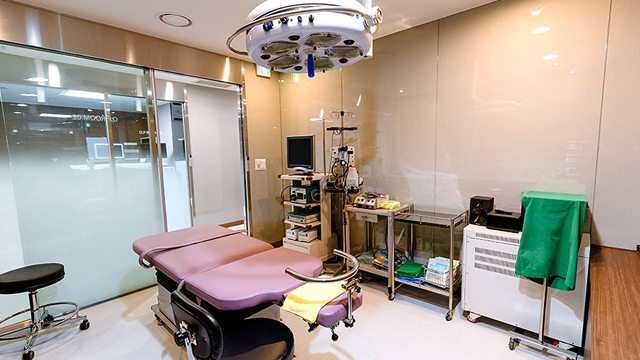
Four ophthalmologists certified by the Korean Ophthalmological Society, each with a distinct subspecialty focus, covering vision correction, cataract and presbyopia, orthokeratology, and oculoplastic and lacrimal surgery.
Led by Dr. Kim Byoung Jin, a member of ASCRS, ESCRS, and the AAO with fellowship training at Samsung Seoul Hospital and exchange-professor experience at Columbia University Hospital.
University hospital-grade equipment, including the ZIEMER FEMTO LDV Z8 femtosecond laser, ZEISS Triple A MEL 90 excimer laser, and ALCON INFINITI phacoemulsification system.
Registered with Korea's Ministry of Health and Welfare as a medical institution for attracting foreign patients, under a dedicated legal framework for treating international patients.
A structured SMART program built around individualised procedure selection, accelerated recovery, and total pre- and post-operative care.
Frequently Asked Questions
Who leads Jamsil Samsung Eye Clinic?
Dr. Kim Byoung Jin, the representative director, leads Jamsil Samsung Eye Clinic. He is an ophthalmologist certified by the Korean Ophthalmological Society with a Ph.D. in medicine, trained as a fellow at Samsung Seoul Hospital, and is a member of ASCRS, ESCRS, and the American Academy of Ophthalmology.
Is Jamsil Samsung Eye Clinic accredited to treat international patients?
Yes. The clinic is registered with Korea's Ministry of Health and Welfare as a medical institution for attracting foreign patients, under the Medical Overseas Expansion and Foreign Patients Attraction Act. All four of its ophthalmologist directors are certified by the Korean Ophthalmological Society.
Where is the clinic located, and what are its hours?
Jamsil Samsung Eye Clinic is on the 7th floor of the Seokyeong Building, 114 Olympic-ro, Songpa-gu, Seoul. It is open Monday–Thursday 09:30–19:00, Friday 09:30–20:00, and Saturday 09:00–13:00 (Korea Standard Time), with a weekday lunch break from 13:00–14:00, and is closed Sundays and public holidays.
What eye-care services does the clinic offer?
The clinic provides vision-correction surgery (including Clear Smile LASIK, LASEK, and ICL implantation), cataract and presbyopia surgery with multifocal lens options, retina and glaucoma care, orthokeratology (Dream Lens) for children and adults, and dry eye and tear-duct treatment.
What makes Jamsil Samsung Eye Clinic different from other eye clinics in Seoul?
The clinic is staffed by four ophthalmologists certified by the Korean Ophthalmological Society, each maintaining a distinct subspecialty focus rather than a single generalist approach, and it applies a structured SMART program to vision-correction surgery covering individualised procedure selection, accelerated recovery, and coordinated total care before and after treatment.
What technology does the clinic use for diagnosis and surgery?
The clinic uses the ZIEMER FEMTO LDV Z8 femtosecond laser and ZEISS Triple A MEL 90 excimer laser for vision-correction surgery, the ALCON INFINITI phacoemulsification system for cataract surgery, and diagnostic systems including OPTOMAP ultra-widefield retinal imaging, IOL Master 700 biometry, and K5M corneal topography.
What language support does the clinic offer international patients?
The clinic offers in-house English-language support for inquiry, consultation, surgery day, aftercare, and emergency needs, and states that translated documents are available with no stated language limitations across its patient services.
Book a Consultation at Jamsil Samsung Eye Clinic
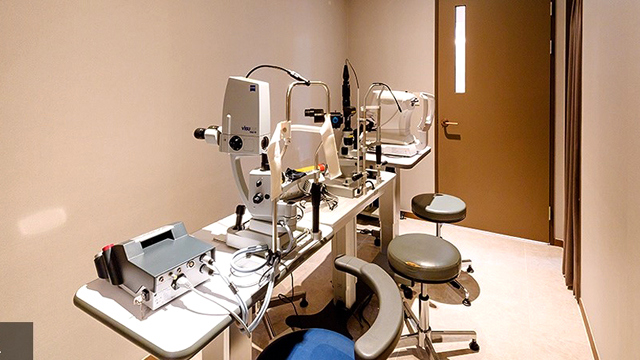
To discuss vision correction, cataract, or other eye care with one of the clinic's four ophthalmologists, contact Jamsil Samsung Eye Clinic through its online consultation and contact page or by phone at +82-2-424-7523. Patients can also review patient reviews and before/after results on the clinic's website.
Disclaimer
This page is for general informational purposes and does not constitute individualised medical advice. Surgical candidacy, technique, and expected outcomes can only be determined through a consultation with a qualified physician.