Specialized Ophthalmology in Seoul · Dedicated International Patient Concierge
MOHW Registered · Foreign Patient Care
en-CA


Vision Correction Surgery · Needs Clinic Confirmation
High Premium LASEK
High Premium LASEK removes the eye's regenerable corneal epithelium and uses an excimer laser to correct refractive error, followed by a protective contact lens to support epithelial healing.
Schedule a ConsultationHigh Premium LASEK

Medically reviewed by Dr. Kim Byoung Jin, Representative Director, Ophthalmologist (Ph.D.), certified by the Korean Ophthalmological Society
High Premium LASEK removes the eye's regenerable corneal epithelium and uses an excimer laser to correct refractive error, followed by a protective contact lens to support epithelial healing. At Jamsil Samsung Eye Clinic in Songpa-gu, Seoul, the procedure is delivered through the clinic's SMART total-care program, which includes Mitomycin use to help reduce corneal haze and myopic regression.
What Is High Premium LASEK?
High Premium LASEK is a surface-based laser vision-correction procedure that avoids creating a corneal flap.
The regenerable corneal epithelial layer is removed, the excimer laser corrects the refractive error, and a protective contact lens is placed to support epithelial regeneration.
LASEK can be performed for some patients with thinner corneas and for moderate-to-high myopia, where a flap-based procedure like LASIK might not be appropriate.
The clinic's SMART program adds Mitomycin during LASEK to help prevent corneal haze and myopic regression, alongside recovery support and pain/discomfort management.
Because no corneal flap is created, LASEK avoids flap-displacement-related complications and is associated with generally reduced dry-eye symptoms compared with LASIK.
The clinic's own case records document High Premium LASEK combined with corneal strengthening (cross-linking) for high-myopia patients specifically.
Who Performs High Premium LASEK at Jamsil Samsung Eye Clinic
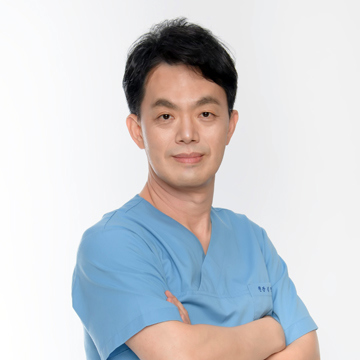
Dr. Kim Byoung Jin, Representative Director and an ophthalmologist (Ph.D.) certified by the Korean Ophthalmological Society at Jamsil Samsung Eye Clinic, lists refractive and vision-correction surgery among his core clinical specialisations, with documented subspecialty expertise in excimer laser myopia correction and LASIK/LASEK-related refractive correction. He completed a fellowship at Samsung Seoul Hospital and postdoctoral research at Columbia University Hospital, and is a full member of the Korean Society of Cataract and Refractive Surgery (KSCRS), the American Society of Cataract and Refractive Surgery (ASCRS), the European Society of Cataract and Refractive Surgeons (ESCRS), and the American Academy of Ophthalmology (AAO).
Who Is a Good Candidate for High Premium LASEK
Because LASEK avoids cutting a deep corneal flap, it is often the more conservative option for patients whose examination findings put them near the borderline for flap-based procedures, and the clinic's evaluation process is specifically designed to identify these patients before recommending one technique over another.
Patients with relatively thin corneas for whom a flap-based procedure such as LASIK may carry additional risk.
Patients with moderate-to-high myopia who want vision correction while avoiding flap-related complications.
Patients who want to reduce the dry-eye symptoms sometimes associated with flap-based refractive surgery.
Patients concerned about external impact to the eye after surgery, since LASEK involves no flap that could later become displaced.
Suitability ultimately depends on corneal condition, refractive stability, and eye health, confirmed through preoperative testing including corneal topography, corneal shape assessment, retinal and optic-nerve evaluation, and pupil-size measurement.
What to Expect: Procedure, Recovery, and Results Timeline
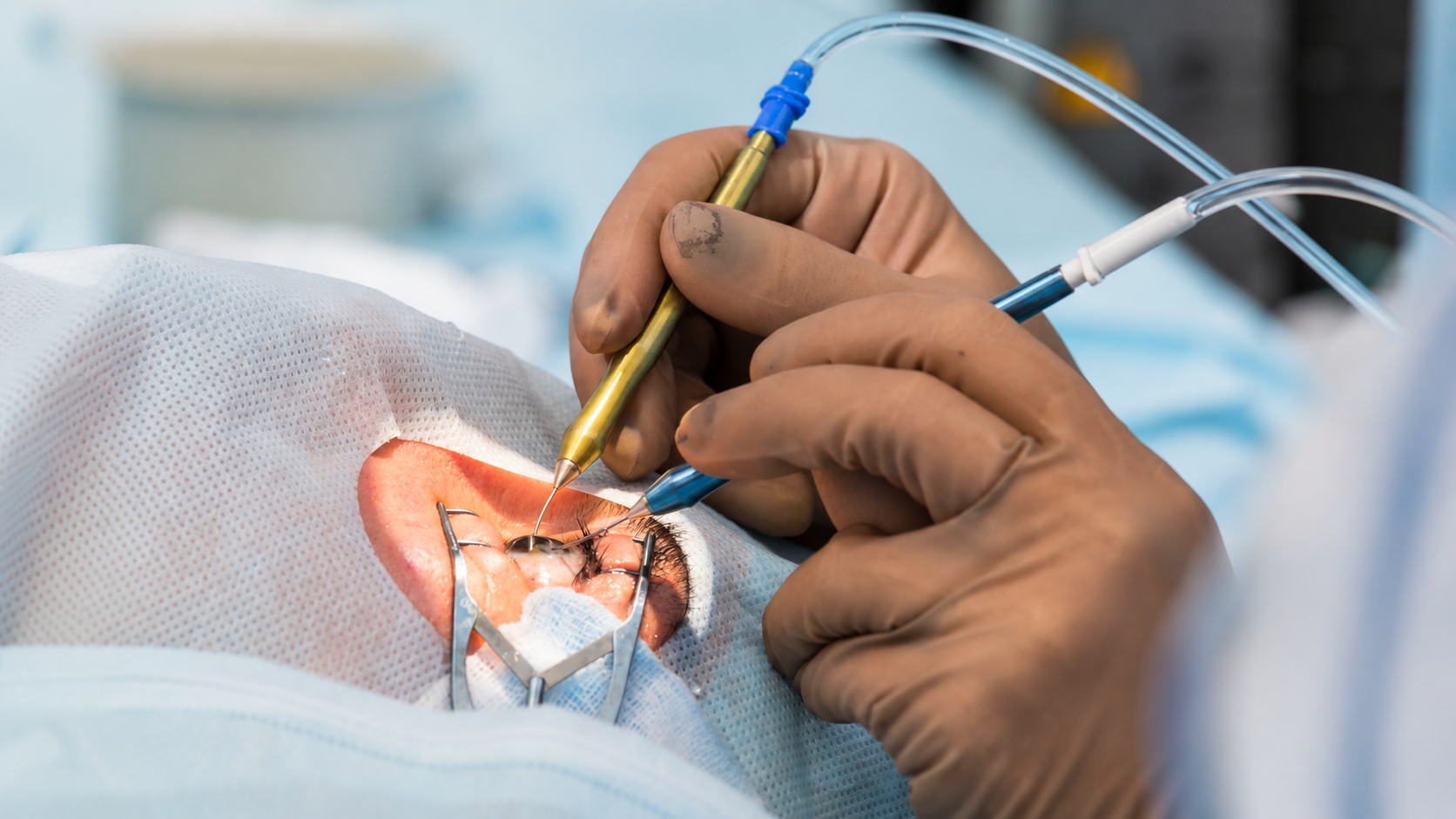
The procedure follows four steps: the regenerable corneal epithelial layer is removed; the excimer laser is applied to correct the refractive error and improve vision; a protective contact lens is placed over the cornea to allow the epithelium to regenerate safely; and the clinic's SMART program provides Mitomycin to help prevent corneal haze and myopic regression, alongside recovery support, pain/discomfort management, and postoperative care. Recovery generally occurs in stages: the first few days may involve discomfort, light sensitivity, tearing, and blurred vision while the corneal surface heals; vision usually improves progressively over the following weeks, while visual stability can continue developing over several months. Exact recovery time varies by individual and by the extent of correction performed.
Before surgery, detailed eye examinations assess corneal topography, pupil measurement, and other factors affecting visual outcome. Contact lens wearers are generally asked to stop soft lenses about a week beforehand, toric soft or hard (RGP) lenses about two weeks beforehand, and orthokeratology (Dream) lenses about a month beforehand. Patients should not drive themselves to the exam or surgery appointment, since pupils are typically dilated, and alcohol and overexertion are generally avoided the night before surgery. A protective contact lens placed after LASEK supports epithelial regeneration, and comprehensive pre- and postoperative management is provided through the clinic's SMART program; general aftercare recognised risks include postoperative pain or discomfort, delayed epithelial healing, temporary blurred vision, dry eye, haze, infection, residual refractive error, and other visual disturbances, most of which are managed through the structured follow-up schedule.
Aftercare following High Premium LASEK generally follows the same structured timeline used across the clinic's vision-correction procedures. Patients may notice some tearing or a foreign-body sensation on the day of surgery and are advised to rest, avoiding rubbing or squeezing the eyes shut early on. A sleep eye-shield is generally worn nightly for about a week, and protective glasses or sunglasses are recommended for up to six months given the light sensitivity that can follow surface-based procedures. Artificial tears and regular screen breaks are advised during early phone and computer use, and all scheduled follow-up examinations should be kept so that epithelial healing can be properly monitored. Direct water on the face is generally avoided for about a week, with sauna or jjimjilbang use possible after about four weeks; eye makeup is generally avoided for about two weeks and perm or hair dye for about four weeks; light alcohol is generally reintroduced after about two weeks and heavier drinking after about four weeks; light exercise is generally possible after about a week and vigorous exercise after about four weeks. Patients should not drive themselves home the day of surgery, and daytime driving is generally possible from around two weeks depending on individual recovery.
International Patient Considerations
International patients considering High Premium LASEK in Korea should plan around the multi-day epithelial healing period that surface-based procedures like LASEK generally require, which is typically longer than the recovery window for flap-based or flapless lenticule procedures such as LASIK or Clear Smile LASIK. Because the protective contact lens placed after surgery is removed only once the surgeon confirms adequate epithelial regeneration at a follow-up visit, patients travelling from abroad should plan to remain in Korea through at least this initial follow-up window rather than departing immediately after surgery. Contact lens wearers should also account for the one-to-four-week lens-free period required before the preoperative evaluation, depending on lens type, planning this window before travel rather than after arriving in Seoul.
Safety, Precision, and Clinic Standards
High Premium LASEK avoids the flap-related risks associated with LASIK, since the corneal epithelium — rather than a deeper corneal flap — is removed and later regenerates naturally under a protective lens. The clinic's use of Mitomycin during LASEK is specifically intended to reduce corneal haze and myopic regression, two of the more procedure-specific risks associated with surface laser correction. General risks recognised for LASEK include postoperative pain or discomfort, delayed epithelial healing, temporary blurred vision, dry eye, haze, infection, and residual refractive error, most of which are addressed through the structured pre- and postoperative protocol built into the clinic's SMART program rather than left to resolve on their own.
How High Premium LASEK Compares
| Procedure | Corneal Flap? | Best Suited For |
|---|---|---|
| High Premium LASEK | No | Thinner corneas, moderate-to-high myopia |
| Conventional LASIK | Yes | Thicker, more typical corneal profiles |
| Clear Smile LASIK | No (flapless, lenticule-based) | Patients wanting minimal incision and fast recovery |
The clinic presents LASEK alongside LASIK and other vision-correction procedures, noting that LASEK uses epithelial removal while LASIK uses a corneal flap; the choice between them depends on individual corneal thickness, shape, and refractive error rather than patient preference alone. High Premium LASEK combined with corneal strengthening (cross-linking) is specifically documented for high-myopia patients whose corneas may benefit from additional structural reinforcement alongside the refractive correction.
Combining High Premium LASEK with Other Treatments
High Premium LASEK combined with Corneal Strengthening (cross-linking) is documented in the clinic's own case records as a combined treatment for high-myopia patients.
Beyond this specific pairing, other combination procedures are not confirmed and should be discussed individually during your consultation.
Patients often ask whether "premium" implies a fundamentally different laser platform; at this clinic, the premium designation reflects the surrounding program of care and haze-prevention measures rather than a distinct laser technology from standard LASEK, and patients should rely on their own examination findings, not marketing terminology, when comparing this option with Clear Smile LASIK, Z8 Premium LASIK, or an implantable lens.
The Bottom Line
High Premium LASEK removes the corneal epithelium and uses an excimer laser to correct refractive error, avoiding the flap used in LASIK.
It can be suitable for some patients with thinner corneas and for moderate-to-high myopia, following a detailed preoperative evaluation.
The clinic's SMART program adds Mitomycin during LASEK specifically to help reduce corneal haze and myopic regression.
Dr. Kim Byoung Jin's core specialisation in refractive surgery, including excimer laser myopia correction, directly matches this procedure.
Recovery occurs in stages over days to months, and results are not guaranteed to be identical for every patient.
Frequently Asked Questions
Why would someone choose LASEK instead of LASIK?
LASEK, including High Premium LASEK, avoids creating the corneal flap used in LASIK, which can make it a more appropriate option for patients with thinner corneas, and it is generally associated with reduced dry-eye symptoms and no flap-displacement-related risk, though the choice depends on your specific corneal measurements.
What does the recovery timeline look like after High Premium LASEK?
The first few days can involve discomfort, light sensitivity, tearing, and blurred vision as the corneal surface heals; vision then improves progressively over the following weeks, with visual stability continuing to develop over several months depending on the individual and the extent of correction.
What is Mitomycin used for during LASEK?
The clinic's SMART program uses Mitomycin during LASEK specifically to help reduce corneal haze and myopic regression, two procedure-specific risks associated with surface laser vision correction.
Am I a candidate for High Premium LASEK if I have thin corneas?
LASEK can be performed in some patients with thinner corneas, which is one of the reasons it is offered as an alternative to flap-based procedures like LASIK; final suitability depends on your corneal thickness, shape, and overall eye health as confirmed through a comprehensive preoperative examination.
Can High Premium LASEK be combined with other treatments?
Yes — the clinic documents High Premium LASEK combined with corneal strengthening (cross-linking) specifically for high-myopia patients; other combinations are not confirmed and should be discussed individually with your surgeon.
How is High Premium LASEK different from standard LASEK?
"High Premium" reflects the clinic's SMART total-care program built around the LASEK procedure — including Mitomycin use to reduce haze and regression, individualised recovery support, and structured pain/discomfort management — rather than a change to the fundamental LASEK technique itself, which still involves epithelial removal, excimer laser correction, and a protective lens.
Book a Consultation at Jamsil Samsung Eye Clinic
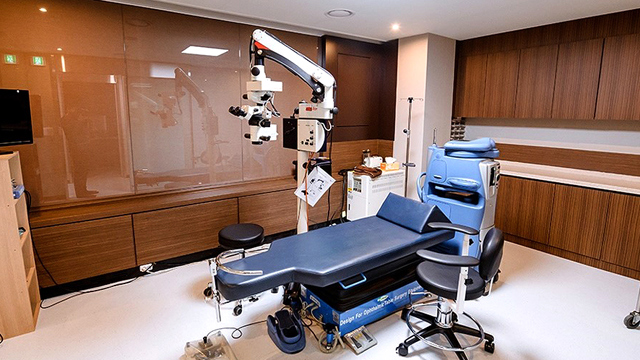
To find out whether High Premium LASEK is the right vision-correction option for your corneal profile, contact Jamsil Samsung Eye Clinic in Songpa-gu, Seoul, through its online consultation and contact page or by phone at +82-2-424-7523 to schedule a comprehensive preoperative evaluation.
Disclaimer
This page is for general informational purposes and does not constitute individualised medical advice. Surgical candidacy, technique, and expected outcomes can only be determined through a consultation with a qualified physician.
Other Services
Explore additional ophthalmology treatments offered by our specialists.
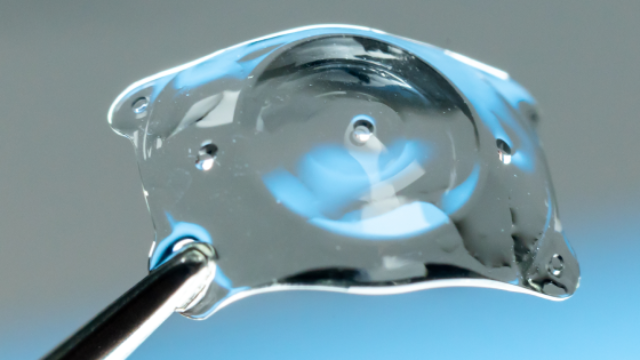
EVO AQUA ICL (Implantable Collamer Lens)
EVO AQUA ICL is a vision-correction procedure in which a specialized corrective lens made of biocompatible Collamer material is inserted directly between the natural lens and the iris, without damaging or reshaping the cornea.
Learn More

Presbyopia Surgery (Clareon PanOptix Pro)
Presbyopia surgery with the Clareon PanOptix Pro trifocal lens corrects presbyopia — the age-related loss of near-focusing ability caused by the eye's lens stiffening and losing elasticity, combined with reduced ciliary muscle function — by implanting a
Learn More
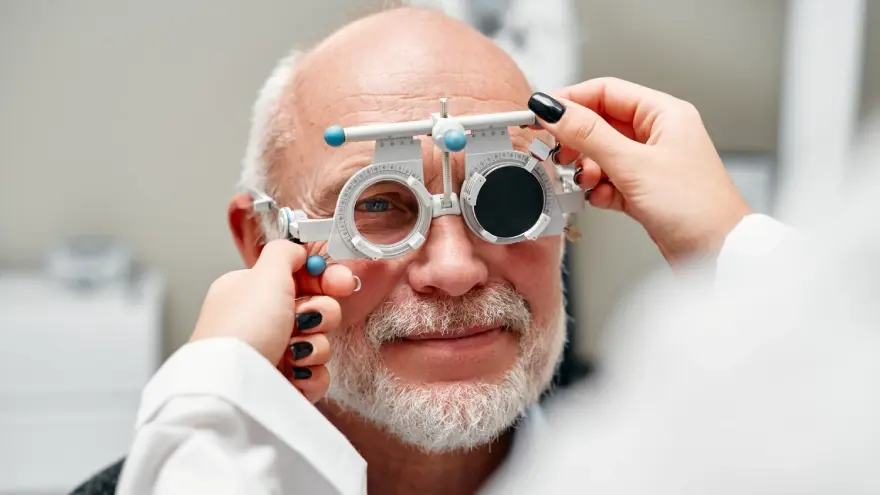
Presbyopia Precision Examination Program
The Presbyopia Precision Examination Program is a specialized diagnostic evaluation designed to thoroughly assess eye health, corneal condition, and refractive index before prescribing presbyopia correction or laser vision procedures.
Learn More