Specialized Ophthalmology in Seoul · Dedicated International Patient Concierge
MOHW Registered · Foreign Patient Care
en-CA


Retina & Glaucoma Treatment · Needs Clinic Confirmation
Glaucoma
Glaucoma is a group of eye conditions that damage the optic nerve, often associated with elevated intraocular pressure, and is a leading cause of irreversible vision loss when left undiagnosed or untreated.
Schedule a ConsultationGlaucoma

Medically reviewed by Dr. Kim Yoon Kyung, Director, Ophthalmologist (Master of Medicine), board-certified, Korean Ophthalmological Society
Glaucoma is a group of eye conditions that damage the optic nerve, often associated with elevated intraocular pressure, and is a leading cause of irreversible vision loss when left undiagnosed or untreated. At Jamsil Samsung Eye Clinic in Songpa-gu, Seoul, glaucoma management is aimed at preserving remaining vision and preventing further optic nerve damage, since vision already lost to glaucoma generally cannot be restored.
What Is Glaucoma?
Because glaucoma often has no early symptoms, understanding what it is and why early detection matters is especially important for this condition.
Glaucoma refers to a group of eye diseases characterised by progressive damage to the optic nerve, frequently — though not always — linked to elevated pressure inside the eye.
The optic nerve carries visual information from the retina to the brain; when it is progressively damaged, peripheral vision is typically affected first, often without the patient noticing until damage is significant.
Several types exist, including open-angle glaucoma — the most common form, which develops gradually — and angle-closure glaucoma, which can develop more suddenly and may present as an emergency with eye pain, headache, blurred vision, and nausea.
Risk factors include elevated intraocular pressure, older age, family history of glaucoma, certain ethnic backgrounds, thin corneas, and some medical conditions such as diabetes.
Since open-angle glaucoma in particular tends to progress silently, regular comprehensive eye exams — including intraocular pressure measurement and optic nerve evaluation — are an important part of early detection, especially for patients with known risk factors.
Treatment generally aims to lower intraocular pressure to slow or halt further optic nerve damage; it does not reverse vision already lost, which is why timely diagnosis matters.
Who Oversees Glaucoma Care at Jamsil Samsung Eye Clinic

Dr. Kim Yoon Kyung, a director at Jamsil Samsung Eye Clinic, is a board-certified ophthalmologist who graduated from Soonchunhyang University College of Medicine and earned a Master's degree in ophthalmology from the Graduate School of Soonchunhyang University, completing her ophthalmology specialist training at Soonchunhyang University Hospital. Her academic publications include research specifically on open-angle glaucoma and trans-lamina cribrosa pressure — directly relevant to understanding and managing this condition — alongside work on diabetic retinopathy and retinal degeneration. She is a full member of the Korean Ophthalmological Society, Korean Optometric Association, Korean Contact Lens Society, Korean External Ocular Diseases Society (KEEDS), and Korean Society of Cataract and Refractive Surgery.
Who Should Be Evaluated for Glaucoma
Individuals with elevated intraocular pressure identified during a routine eye exam, even without symptoms.
Patients with a family history of glaucoma, older patients, and those with risk factors such as thin corneas or diabetes.
Anyone experiencing sudden eye pain, headache, blurred vision, halos around lights, or nausea should seek urgent evaluation, since these can indicate acute angle-closure glaucoma, a sight-threatening emergency.
Patients already diagnosed with glaucoma who need ongoing intraocular pressure monitoring and optic nerve assessment to track disease progression over time.
What to Expect: Diagnosis, Treatment, and Results Timeline
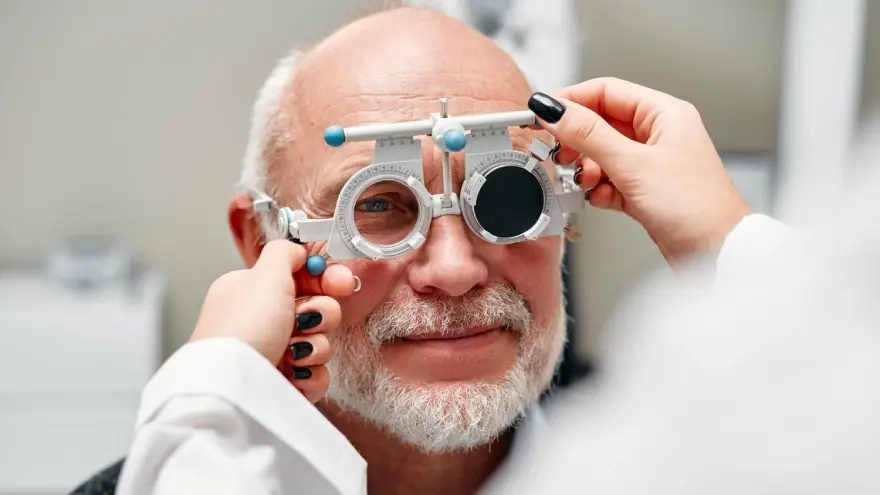
Diagnosis generally involves measuring intraocular pressure (tonometry), examining the optic nerve (ophthalmoscopy), assessing the drainage angle (gonioscopy), and testing the visual field to detect peripheral vision loss; optical coherence tomography (OCT) is often used to measure the thickness of the optic nerve fibre layer for signs of early damage. Treatment approaches vary by glaucoma type and severity, and can include prescription eye drops to lower intraocular pressure, laser treatment such as selective laser trabeculoplasty or laser peripheral iridotomy, and, when medically necessary, surgical procedures to improve fluid drainage from the eye. Anaesthesia requirements vary: diagnostic testing typically requires none, laser procedures are usually performed with topical anaesthesia, and glaucoma surgery may involve local anaesthesia depending on the specific procedure.
Glaucoma treatment is generally an ongoing, long-term management process rather than a one-time cure, since the goal is to control intraocular pressure and slow disease progression rather than reverse damage already present. Follow-up intraocular pressure checks and visual field testing are typically scheduled at intervals determined by disease severity and treatment response, which can range from every few months to annually once a patient is stable. Preparation for diagnostic testing is usually minimal, though patients using eye drops for other conditions should inform their doctor. Aftercare depends on the specific treatment: patients started on eye drops should use them exactly as prescribed and report any side effects, while those undergoing laser or surgical treatment should follow the specific post-procedure instructions given by their surgeon, which can include using anti-inflammatory or pressure-lowering drops and attending scheduled pressure checks.
International Patient Considerations
International patients seeking glaucoma evaluation or treatment should understand that glaucoma management is fundamentally a long-term, ongoing process rather than a single procedure completed during one visit, so travel planning should focus on establishing an accurate baseline diagnosis and, if needed, an initial treatment plan, with follow-up monitoring coordinated either through return visits or a local ophthalmologist at home. Patients already diagnosed with glaucoma elsewhere should bring prior visual field test results, OCT scans, and intraocular pressure records if available, since tracking change over time is central to how glaucoma severity and treatment response are assessed. Patients undergoing laser treatment during their visit should plan for a follow-up pressure check before departing, and should discuss with the clinic in advance how ongoing eye-drop therapy or additional monitoring will be managed once they return home, given that glaucoma control is measured over months and years rather than days.
Safety, Precision, and Clinic Standards
Diagnostic tools for glaucoma evaluation generally include tonometers for pressure measurement, gonioscopy lenses for angle assessment, OCT for optic nerve fibre layer imaging, and visual field analysers, alongside the AI-assisted diagnostic support described elsewhere in the clinic's diagnostic offerings. Risks associated with glaucoma treatments vary by approach: eye drops may cause local irritation, stinging, or, less commonly, systemic side effects; laser procedures carry a small risk of temporary pressure spikes or inflammation; and surgical treatments carry risks similar to other intraocular procedures, including infection, bleeding, and changes in vision. Because glaucoma often has no early symptoms, particularly in its most common open-angle form, the clinic emphasises regular monitoring for at-risk patients as a central part of care, rather than waiting for symptoms to prompt evaluation.
Beyond Open-Angle and Angle-Closure Glaucoma
While open-angle and angle-closure glaucoma are the two most commonly discussed forms, other categories exist and can affect how a patient's evaluation is approached. Secondary glaucoma develops as a consequence of another eye condition or event — such as prior eye trauma, uveitis, prolonged corticosteroid use, or advanced diabetic eye disease — and its management often needs to address the underlying cause alongside the elevated eye pressure itself. Normal-tension glaucoma refers to optic nerve damage and visual field loss that occurs even when measured intraocular pressure falls within a statistically normal range, which is part of why optic nerve appearance and visual field testing remain important even in patients whose pressure readings look unremarkable. Congenital and juvenile glaucoma, while comparatively rare, can affect infants and children and generally require specialised paediatric ophthalmologic evaluation distinct from the adult-onset forms discussed here. Recognising which category a patient's presentation fits into shapes not only the treatment approach but also how closely and in what way the condition needs to be monitored over time.
Comparing Glaucoma Treatment Approaches
| Approach | Typical Use | Considerations |
|---|---|---|
| Prescription eye drops | First-line treatment for many patients | Requires consistent daily use; can cause local irritation |
| Laser treatment (e.g., selective laser trabeculoplasty, laser peripheral iridotomy) | Used when drops are insufficient or for angle-closure risk | Generally outpatient, topical anaesthesia |
| Surgical treatment | Reserved for more advanced or drop/laser-resistant cases | Local anaesthesia, more involved recovery than drops or laser |
Alternative or complementary approaches include lifestyle counselling regarding factors that can affect intraocular pressure, and closer monitoring intervals for patients with borderline findings who do not yet require active treatment.
Combining Glaucoma Care with Other Treatments
Glaucoma evaluation is frequently combined with cataract assessment and general retinal screening during the same comprehensive eye exam, since intraocular pressure measurement, optic nerve evaluation, and OCT imaging overlap significantly with the diagnostic workup for other age-related eye conditions.
Patients newly diagnosed with glaucoma sometimes assume the condition will be resolved after a single treatment, but the more accurate framing is that glaucoma care is a long-term partnership between patient and ophthalmologist aimed at preserving as much vision as possible for as long as possible.
The Bottom Line
Glaucoma is a group of optic nerve diseases, often linked to elevated eye pressure, that can cause irreversible vision loss if undiagnosed or untreated.
Open-angle glaucoma typically progresses silently, making regular eye exams important for at-risk patients even without symptoms.
Sudden eye pain, headache, blurred vision, or nausea can indicate angle-closure glaucoma, a sight-threatening emergency requiring urgent care.
Treatment — eye drops, laser, or surgery — aims to lower eye pressure and slow progression; it does not reverse vision already lost.
Dr. Kim Yoon Kyung's academic research specifically addresses open-angle glaucoma and trans-lamina cribrosa pressure, directly relevant to this condition.
Frequently Asked Questions
Can glaucoma be cured?
No — glaucoma is generally a chronic condition managed rather than cured. Treatment aims to lower intraocular pressure and slow or halt further optic nerve damage; vision already lost to glaucoma typically cannot be restored, which is why ongoing management and early detection are emphasised.
Why is glaucoma sometimes called the "silent thief of sight"?
Because open-angle glaucoma, the most common form, often causes no symptoms until significant peripheral vision has already been lost, many patients are unaware they have the condition until it is detected during a routine eye exam or has progressed considerably.
What should I do if I suddenly develop severe eye pain and blurred vision?
Seek urgent medical evaluation. Sudden eye pain, headache, blurred vision, halos around lights, and nausea can indicate acute angle-closure glaucoma, which is a sight-threatening emergency requiring prompt treatment to lower eye pressure.
How often should I be screened for glaucoma if I have risk factors?
Screening frequency depends on your specific risk factors, age, and any prior findings; your ophthalmologist can recommend an appropriate interval based on your intraocular pressure, family history, and optic nerve appearance at your baseline exam, with more frequent monitoring generally recommended for patients who already show borderline or elevated readings.
Will I need eye drops for the rest of my life if I'm diagnosed with glaucoma?
Many patients do use eye drops on an ongoing basis to control intraocular pressure, though the specific treatment plan — drops, laser, surgery, or a combination — depends on glaucoma type, severity, and how well pressure is controlled over time.
Book a Consultation at Jamsil Samsung Eye Clinic
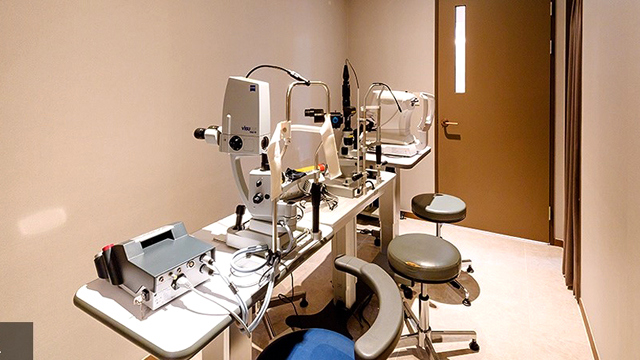
To schedule a glaucoma screening or discuss treatment options, contact Jamsil Samsung Eye Clinic in Songpa-gu, Seoul, through its online consultation and contact page or by phone at +82-2-424-7523.
Disclaimer
This page is for general informational purposes and does not constitute individualised medical advice. Diagnosis and treatment recommendations can only be determined through evaluation by a qualified physician.
Other Services
Explore additional ophthalmology treatments offered by our specialists.
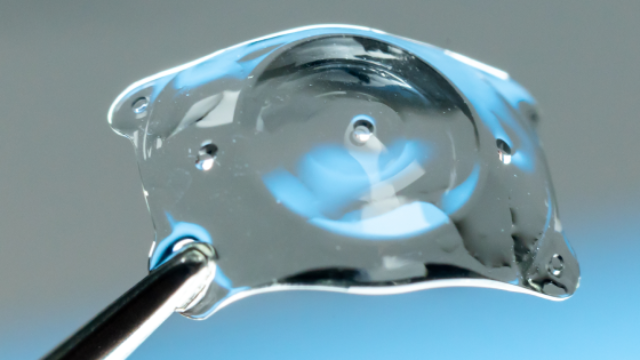
EVO AQUA ICL (Implantable Collamer Lens)
EVO AQUA ICL is a vision-correction procedure in which a specialized corrective lens made of biocompatible Collamer material is inserted directly between the natural lens and the iris, without damaging or reshaping the cornea.
Learn More

Presbyopia Surgery (Clareon PanOptix Pro)
Presbyopia surgery with the Clareon PanOptix Pro trifocal lens corrects presbyopia — the age-related loss of near-focusing ability caused by the eye's lens stiffening and losing elasticity, combined with reduced ciliary muscle function — by implanting a
Learn More
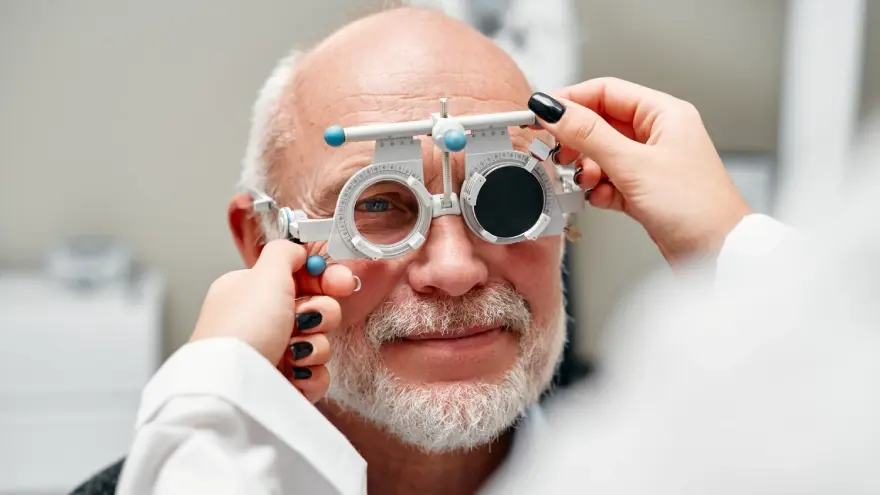
Presbyopia Precision Examination Program
The Presbyopia Precision Examination Program is a specialized diagnostic evaluation designed to thoroughly assess eye health, corneal condition, and refractive index before prescribing presbyopia correction or laser vision procedures.
Learn More