Specialized Ophthalmology in Seoul · Dedicated International Patient Concierge
MOHW Registered · Foreign Patient Care
en-CA

Vision Correction Surgery · Needs Clinic Confirmation
Corneal Strengthening LASEK (LASEK + CXL)
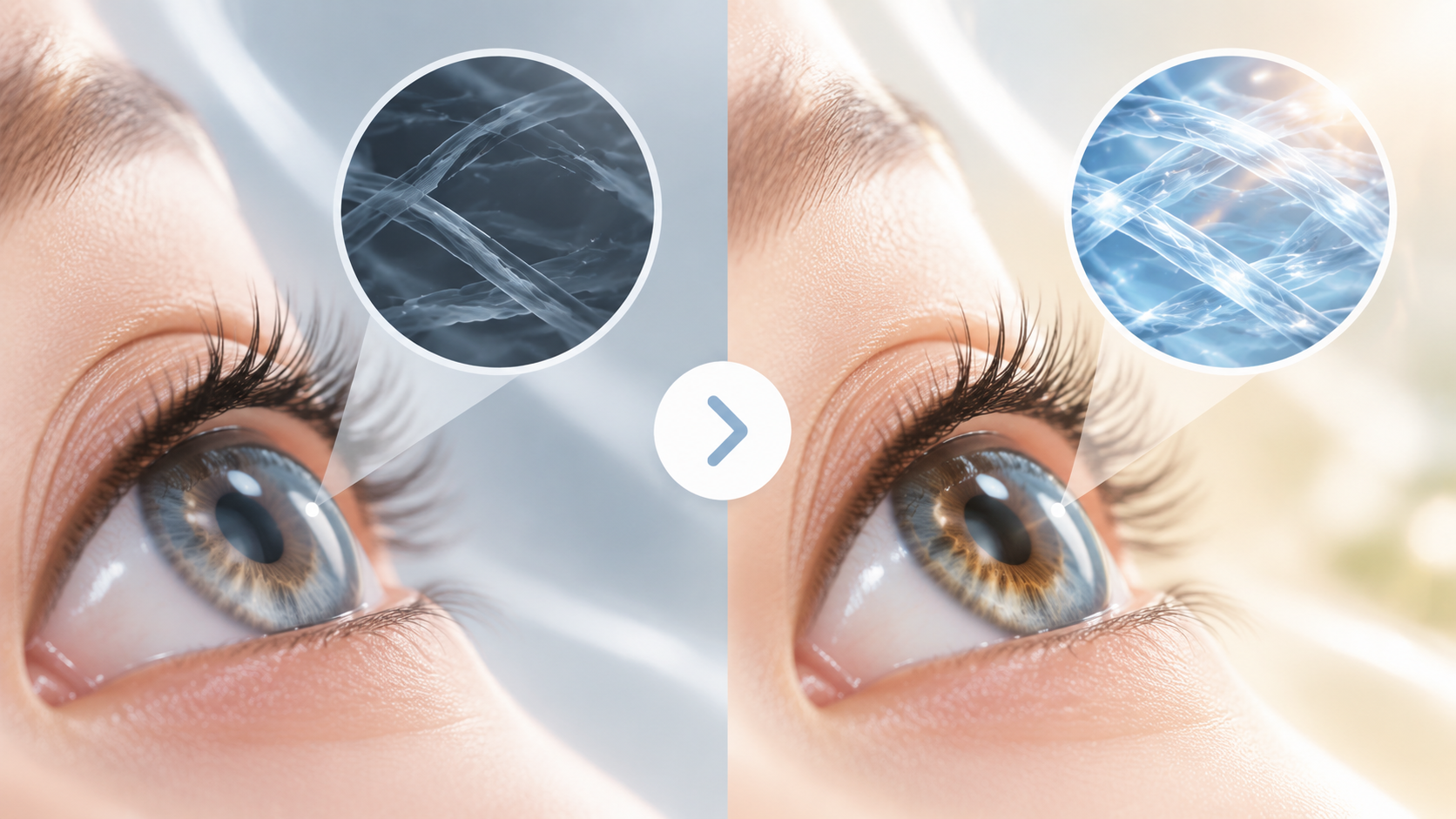
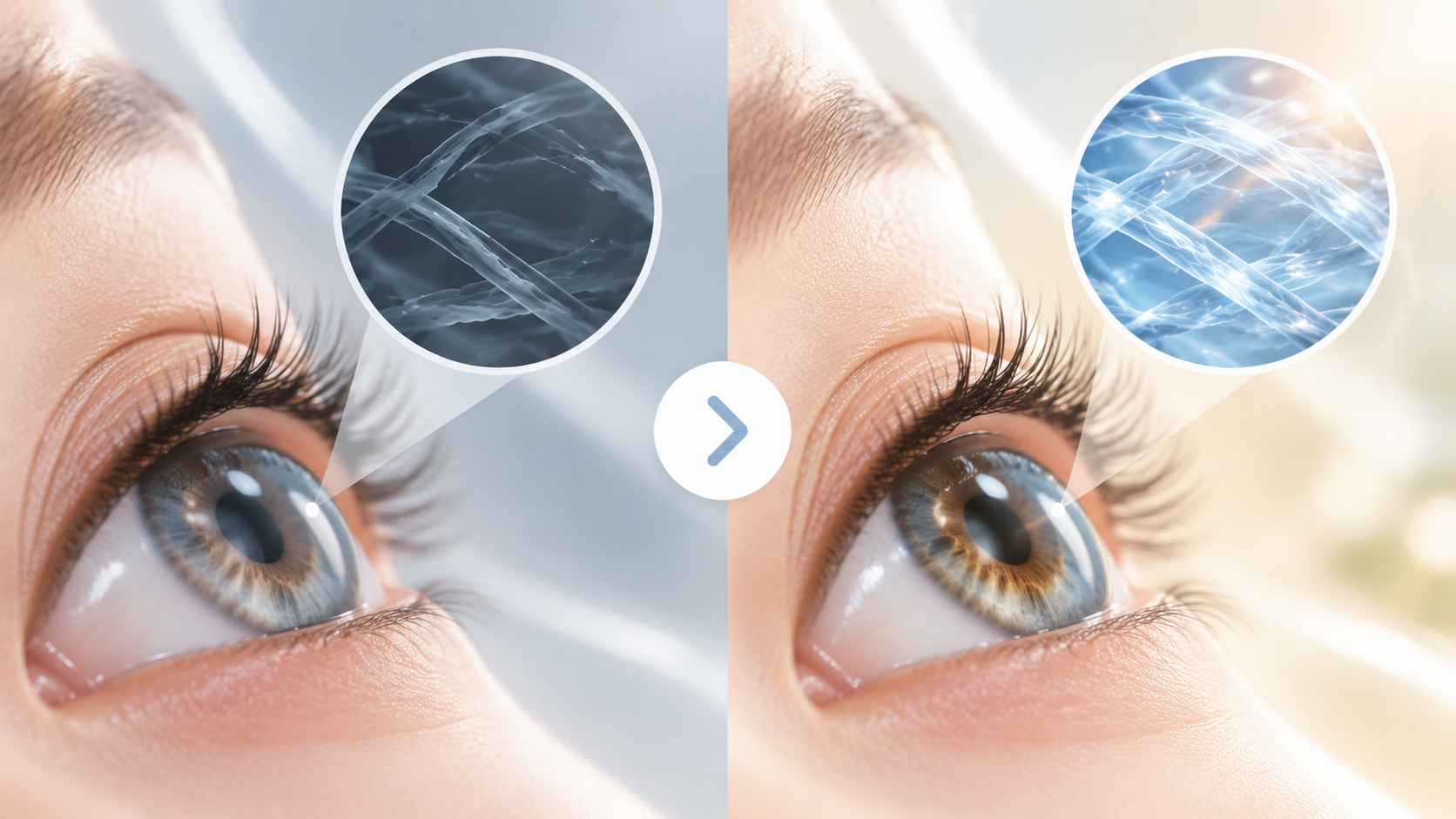
Corneal Strengthening LASEK combines standard LASEK vision correction with corneal cross-linking (CXL), intended to correct refractive error while adding corneal stability.
Schedule a ConsultationCorneal Strengthening LASEK (LASEK + CXL)
Medically reviewed by Dr. Kim Byoung Jin, Representative Director, Ophthalmologist (Ph.D.), certified by the Korean Ophthalmological Society
Corneal Strengthening LASEK combines standard LASEK vision correction with corneal cross-linking (CXL), intended to correct refractive error while adding corneal stability. At Jamsil Samsung Eye Clinic in Songpa-gu, Seoul, this combination is documented specifically for patients undergoing High Premium LASEK for high myopia who want additional reinforcement of corneal tissue.
What Is Corneal Strengthening LASEK?
Corneal Strengthening LASEK adds a cross-linking step to conventional LASEK to reinforce the cornea at the same time refractive error is corrected.
LASEK uses an excimer laser to reshape part of the corneal stromal layer after removing the corneal epithelium, correcting the refractive error.
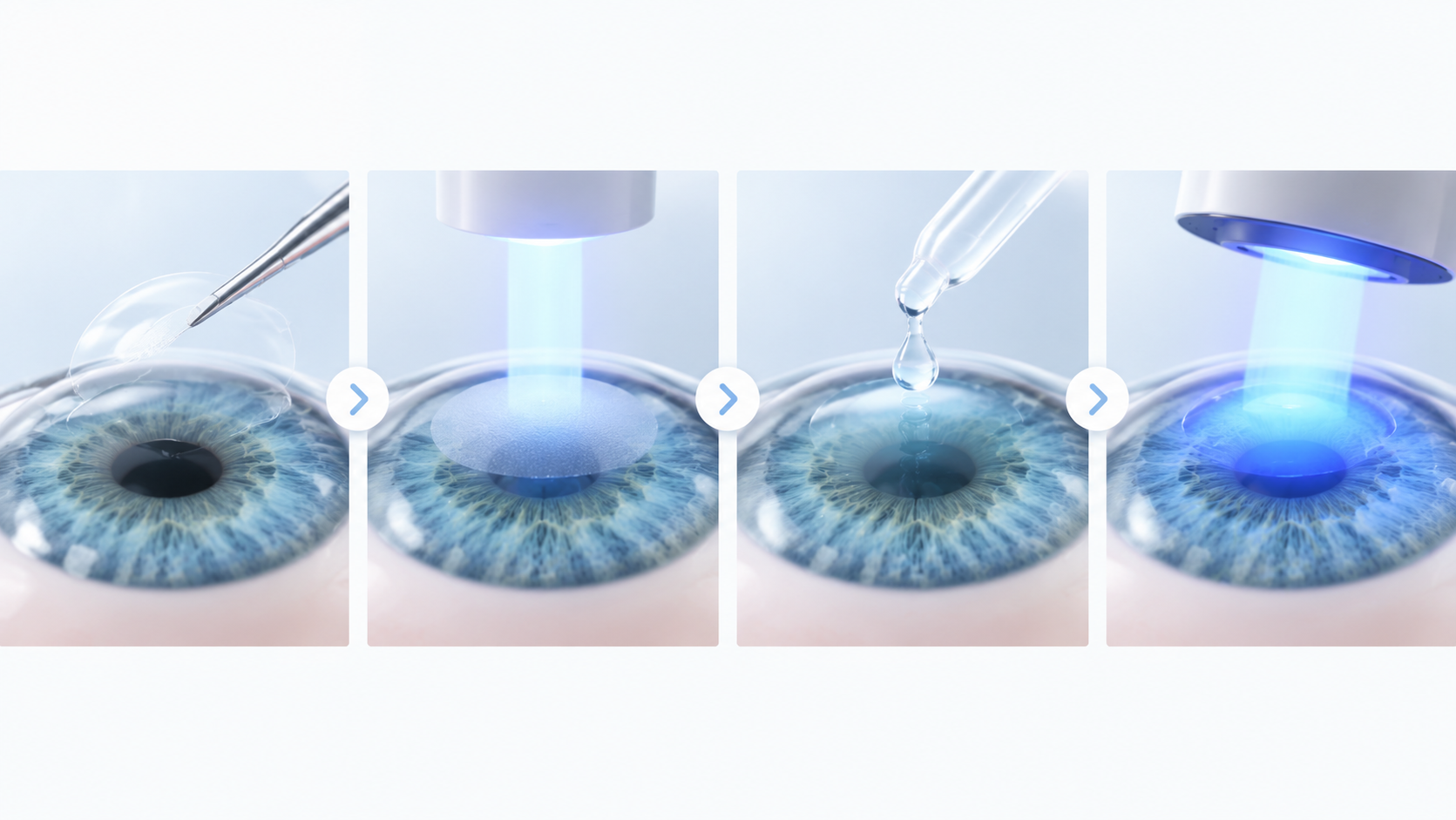
Corneal cross-linking (CXL) then applies a riboflavin (vitamin B2) solution to the stroma, rinses off the excess, and uses UVA light to cross-link and strengthen the corneal collagen structure.
This combination can be considered for patients with relatively thin corneas or moderate-to-high myopia who want vision correction alongside additional corneal reinforcement.
The clinic's own case records document this specific combination as "High Premium LASEK + Corneal Strengthening" for high-myopia patients.
Suitability depends on corneal thickness, shape, refractive error, and overall eye health, confirmed through a comprehensive preoperative examination.
Who Performs Corneal Strengthening LASEK at Jamsil Samsung Eye Clinic

Dr. Kim Byoung Jin, Representative Director and an ophthalmologist (Ph.D.) certified by the Korean Ophthalmological Society at Jamsil Samsung Eye Clinic, lists refractive and vision-correction surgery among his core clinical specialisations, with documented subspecialty expertise in excimer laser myopia correction and LASIK/LASEK-related refractive correction. He completed a fellowship at Samsung Seoul Hospital and postdoctoral research at Columbia University Hospital, held visiting-professor appointments at Seirei Hamamatsu Hospital and Columbia University Hospital, and is a full member of the Korean Society of Cataract and Refractive Surgery (KSCRS), the American Society of Cataract and Refractive Surgery (ASCRS), the European Society of Cataract and Refractive Surgeons (ESCRS), and the American Academy of Ophthalmology (AAO).
Who Is a Good Candidate for Corneal Strengthening LASEK
Patients with relatively thin corneas or moderate-to-high myopia who are candidates for LASEK and want additional corneal reinforcement.
Patients who want vision correction without flap-related complications and with generally reduced dry-eye concerns compared with LASIK.
Patients undergoing High Premium LASEK for high myopia specifically, where the clinic's own case records document this combination being used.
Suitability depends on corneal thickness, shape, refractive error, and eye health as determined by the preoperative examination; not every LASEK candidate needs or benefits from the added cross-linking step.
Patients are typically identified as candidates for the combined procedure, rather than standard LASEK alone, during the same comprehensive preoperative evaluation used for all vision-correction procedures at the clinic — corneal topography, corneal thickness measurement, and refractive testing together indicate whether a patient's cornea would benefit from the additional structural reinforcement that cross-linking provides, alongside the vision correction that LASEK itself delivers.
What to Expect: Procedure, Recovery, and Results Timeline
The combined procedure follows a defined sequence: the excimer laser first reshapes part of the corneal stromal layer to correct the refractive error after the corneal epithelium is removed; a riboflavin (vitamin B2) solution is then applied and absorbed into the stroma; excess solution is rinsed off; and UVA light is applied to cross-link and strengthen the corneal collagen. A protective contact lens is placed afterward to support epithelial regeneration, consistent with standard LASEK aftercare, and the clinic's SMART program includes the use of Mitomycin during LASEK procedures to help reduce corneal haze and myopic regression.
Before the procedure, a comprehensive eye examination assesses refractive error, corneal thickness, corneal shape, and overall eye health. Visual improvement develops as the cornea heals following surgery, and long-term stability depends on individual eye characteristics as well as postoperative care; follow-up visits are generally required to monitor corneal healing and visual recovery. The clinic emphasises total pre- and postoperative management through its SMART program, including protective-lens use during the epithelial regeneration period that follows LASEK-based procedures.
Preparation before LASEK-based surgery follows the clinic's general vision-correction protocol: contact lens wearers stop wearing soft lenses about seven days beforehand, toric soft or hard (RGP) lenses about fourteen days beforehand, and orthokeratology (Dream Lens) about a month beforehand, so that corneal measurements reflect the eye's true, undistorted shape. Patients should not drive themselves to the exam or surgery appointment, since pupils are typically dilated for testing, and should arrange public transport or a companion instead. Alcohol and overexertion are generally avoided, especially the night before surgery, and eye or face makeup should not be worn on surgery day — skin toner or lotion only — with perfume and hairspray also avoided.
Aftercare follows a similarly structured timeline shared across the clinic's vision-correction procedures. Patients may experience some tearing or a foreign-body sensation on the day of surgery and are advised to rest and avoid rubbing or squeezing the eyes shut early on. A sleep eye-shield is generally worn nightly for about a week, with protective glasses or sunglasses recommended for up to six months given the light sensitivity that can follow surface-based procedures like LASEK. Artificial tears and regular screen breaks are advised during early phone and computer use, and all scheduled follow-up exams should be kept so that corneal healing and the effect of the cross-linking step can be properly monitored. Direct water on the face is generally avoided for about a week, with sauna or jjimjilbang use possible after about four weeks; eye makeup is generally avoided for about two weeks and perm or hair dye for about four weeks; light alcohol is generally reintroduced after about two weeks and heavier drinking after about four weeks; light exercise is generally possible after about a week and vigorous exercise after about four weeks. Daytime driving is generally possible from around two weeks depending on individual recovery, though patients should not drive themselves home the day of surgery.
International Patient Considerations
International patients considering Corneal Strengthening LASEK in Korea should plan around a longer recovery window than some other vision-correction options at the clinic, since standard LASEK generally involves several days of epithelial healing before a protective lens can be removed, and the added cross-linking step does not shorten this timeline. Patients travelling specifically for this combination procedure should discuss with the clinic in advance how many follow-up visits are recommended in the days and weeks after surgery, and whether early follow-up can realistically be completed while still in Korea versus coordinated with an eye care provider back home once initial healing is confirmed. Because contact lens wearers must stop lens use for one to several weeks before the preoperative evaluation, depending on lens type, this lens-free window should be planned before travel rather than after arrival in Seoul.
Safety, Precision, and Clinic Standards
LASEK is generally associated with no flap-related complications and comparatively reduced dry-eye concerns relative to LASIK, since no corneal flap is created. The added cross-linking step uses riboflavin and UVA light specifically to reinforce corneal collagen structure, which is the same underlying mechanism used in corneal cross-linking treatments for conditions such as keratoconus, applied here alongside vision correction rather than as a stand-alone treatment. The clinic's SMART program uses Mitomycin during LASEK to help reduce corneal haze and myopia recurrence. As with any refractive procedure, individual risk depends on corneal thickness, shape, and the results of the preoperative evaluation, which is why LASEK combined with cross-linking is positioned specifically for patients whose corneal profile benefits from the additional reinforcement rather than being offered as a default add-on for every LASEK patient.
How Corneal Strengthening LASEK Compares
| Option | Corneal Tissue Removed? | Added Reinforcement? |
|---|---|---|
| Standard LASEK | Epithelium only, temporarily | No |
| Corneal Strengthening LASEK (LASEK + CXL) | Epithelium only, temporarily | Yes — riboflavin/UVA cross-linking |
| ICL (implantable lens) | None | Not applicable — no corneal tissue removed |
The clinic presents LASEK, LASIK, SMILE/Clear SMILE LASIK, and ICL as different vision-correction options, with LASEK generally suited to relatively thin corneas and ICL available as an alternative for very high myopia or thinner corneas where laser correction of any kind may not be appropriate. Adding cross-linking to LASEK is a way of extending the range of corneas that might reasonably be considered for laser correction, rather than a universal upgrade recommended for every patient.
Because cross-linking adds a distinct chemical and light-based step to the procedure beyond laser reshaping alone, patients should expect a somewhat longer total time in the treatment room compared with standard LASEK, even though the laser correction portion itself is unchanged; the riboflavin application and UVA exposure both require dedicated time to work as intended, and rushing this step would undermine the reinforcement the procedure is meant to provide.
Combining Corneal Strengthening LASEK with Other Treatments
The clinic's own documented combination is High Premium LASEK plus Corneal Strengthening for high-myopia patients specifically.
Beyond this specific pairing, additional combination procedures are not confirmed in the clinic's documentation and should be discussed individually during consultation.
Patients should also understand that cross-linking is added specifically for its structural benefit to the cornea, not because it enhances the refractive outcome itself — the amount of myopia or astigmatism corrected is governed by the excimer laser portion of the procedure, while the cross-linking step is aimed at the longer-term durability of the corneal tissue that has just been reshaped.
The Bottom Line
Corneal Strengthening LASEK combines standard LASEK refractive correction with corneal cross-linking (riboflavin and UVA light) to add corneal reinforcement.
The clinic documents this specifically as a combination with High Premium LASEK for high-myopia patients.
LASEK-based approaches generally avoid flap-related complications and are associated with reduced dry-eye concerns compared with LASIK.
Dr. Kim Byoung Jin's core specialisation in refractive and vision-correction surgery, including excimer laser myopia correction, directly matches this procedure.
Not every LASEK candidate needs the added cross-linking step; suitability depends on individual corneal thickness, shape, and refractive error.
Frequently Asked Questions
What does corneal cross-linking add to standard LASEK?
Corneal cross-linking applies a riboflavin (vitamin B2) solution to the corneal stroma and then UVA light to strengthen the collagen structure, adding corneal reinforcement to the refractive correction that LASEK alone provides.
Who should consider LASEK with corneal strengthening instead of standard LASEK?
The clinic documents this combination specifically for patients undergoing High Premium LASEK for high myopia who may benefit from additional corneal reinforcement; suitability for any individual patient depends on corneal thickness, shape, and refractive error confirmed during a preoperative examination.
Does adding cross-linking make LASEK recovery longer?
The clinic's SMART program is designed to support recovery through both the LASEK and cross-linking components together, with a protective contact lens used during epithelial regeneration as in standard LASEK; exact recovery timing should be confirmed during consultation since it varies by individual healing.
Is LASEK with corneal strengthening safer than standard LASIK?
LASEK-based approaches, with or without added cross-linking, generally avoid the flap-related complications possible with LASIK and are associated with reduced dry-eye concerns, though "safer" depends on your individual corneal characteristics and the specific risks relevant to your eyes, which your surgeon will review with you.
Can this procedure be used for very high myopia?
LASEK can be performed for moderate-to-high myopia, and the added cross-linking step is specifically documented in the clinic's case records for high-myopia patients undergoing High Premium LASEK; very high myopia or thinner corneas may instead be better suited to an implantable lens (ICL), depending on your examination results.
Will I still need a protective contact lens after LASEK with corneal strengthening?
Yes — as with standard LASEK, a protective contact lens is placed after the corneal epithelium is removed and the laser correction and cross-linking steps are completed, supporting the epithelium as it regenerates over the following days, and this is removed once your surgeon confirms adequate healing at a follow-up visit.
Book a Consultation at Jamsil Samsung Eye Clinic
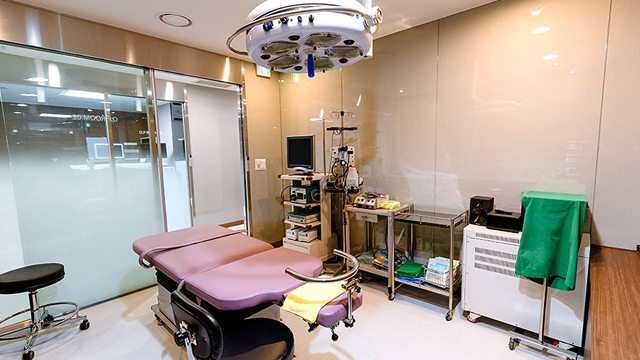
To find out whether Corneal Strengthening LASEK is right for you, contact Jamsil Samsung Eye Clinic in Songpa-gu, Seoul, through its online consultation and contact page or by phone at +82-2-424-7523.
Disclaimer
This page is for general informational purposes and does not constitute individualised medical advice. Surgical candidacy, technique, and expected outcomes can only be determined through a consultation with a qualified physician.
Other Services
Explore additional ophthalmology treatments offered by our specialists.
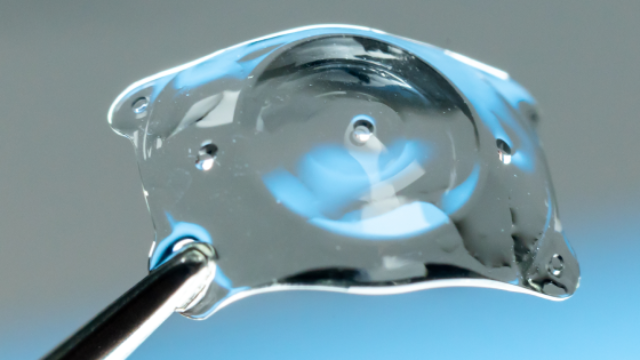
EVO AQUA ICL (Implantable Collamer Lens)
EVO AQUA ICL is a vision-correction procedure in which a specialized corrective lens made of biocompatible Collamer material is inserted directly between the natural lens and the iris, without damaging or reshaping the cornea.
Learn More

Presbyopia Surgery (Clareon PanOptix Pro)
Presbyopia surgery with the Clareon PanOptix Pro trifocal lens corrects presbyopia — the age-related loss of near-focusing ability caused by the eye's lens stiffening and losing elasticity, combined with reduced ciliary muscle function — by implanting a
Learn More
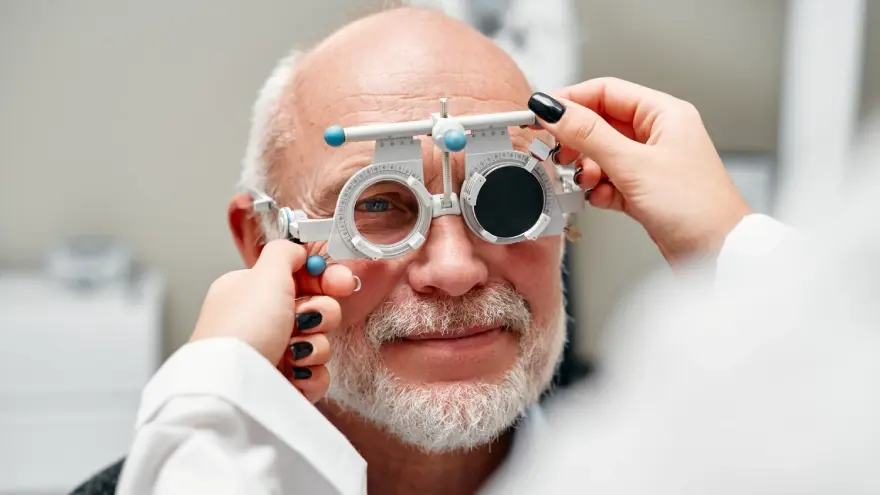
Presbyopia Precision Examination Program
The Presbyopia Precision Examination Program is a specialized diagnostic evaluation designed to thoroughly assess eye health, corneal condition, and refractive index before prescribing presbyopia correction or laser vision procedures.
Learn More