Specialized Ophthalmology in Seoul · Dedicated International Patient Concierge
MOHW Registered · Foreign Patient Care
en-CA

Cataract Care · Needs Clinic Confirmation
Cataract Surgery
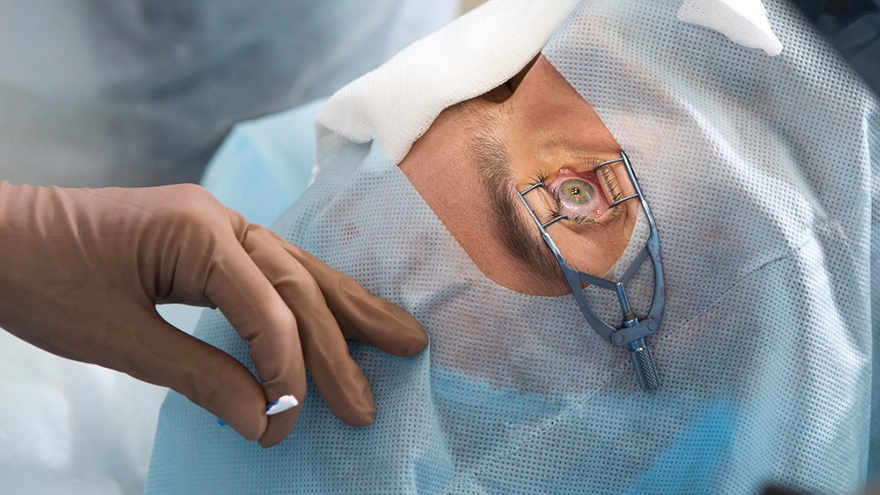
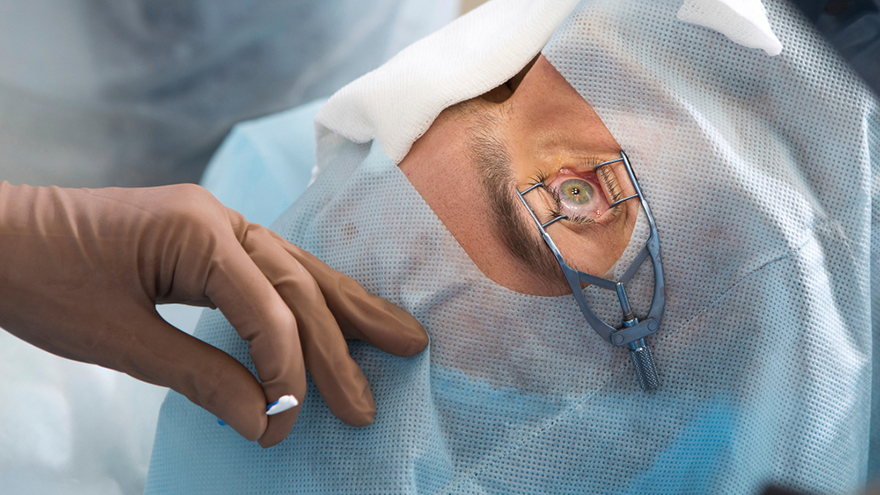
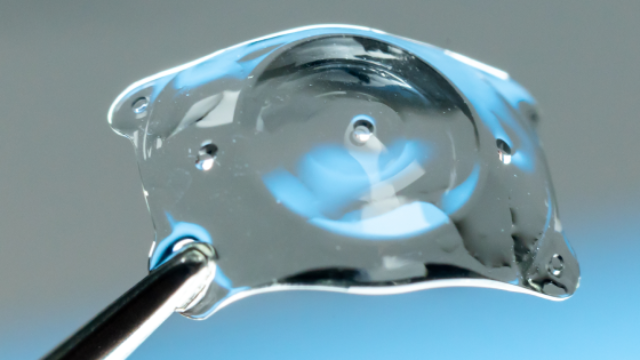
Cataract surgery removes the eye’s clouded natural lens by phacoemulsification, using the ALCON INFINITI ultrasound system, and replaces it with a clear intraocular lens (IOL) to restore vision.
Schedule a ConsultationCataract Surgery
Medically reviewed by Dr. Cha Deok Sun, Director, Ophthalmologist (Ph.D.), board-certified, Korean Ophthalmological Society
Cataract surgery removes the eye's clouded natural lens by phacoemulsification, using the ALCON INFINITI ultrasound system, and replaces it with a clear intraocular lens (IOL) to restore vision. At Jamsil Samsung Eye Clinic in Songpa-gu, Seoul, the procedure can be combined with presbyopia correction using premium multifocal IOLs, and is performed as a same-day procedure under local or topical anaesthesia with the operating surgeon personally handling follow-up.
What Is Cataract Surgery?
Cataracts form when proteins within the eye's natural lens clump together over time, scattering and blocking light before it reaches the retina, which is why the resulting vision problems — blurring, glare, dimmed colours — tend to worsen gradually rather than appearing suddenly.
Cataract surgery treats the clouding of the eye's natural lens that develops with a cataract.
The clouded lens is broken up using ultrasound-based phacoemulsification (the ALCON INFINITI system) and removed, then replaced with an artificial intraocular lens.
The clinic offers monofocal, multifocal, and toric IOL options, so the choice of lens can be tailored to a patient's visual goals, including reduced dependence on glasses.
The procedure can be combined with presbyopia correction using a premium multifocal IOL such as the Clareon PanOptix Pro, so patients gain clearer distance and near vision in a single surgery.
It is a same-day, local or topical anaesthesia procedure typically taking about fifteen to thirty minutes per eye, commonly performed on an outpatient basis.
Standard medical consensus describes cataract surgery as a safe, highly effective outpatient procedure for restoring vision affected by cataracts.
Who Performs Cataract Surgery at Jamsil Samsung Eye Clinic

The same surgeon who evaluates a patient's candidacy for surgery also performs the procedure and personally manages the patient's follow-up care afterward, rather than the case being handed off between different clinicians at each stage.
Dr. Cha Deok Sun, a director at Jamsil Samsung Eye Clinic, is a board-certified ophthalmologist with a Ph.D. in medicine whose core specialisations are presbyopia surgery, cataract surgery, and vision-correction surgery. He completed his ophthalmology residency at Korea University Hospital and a cornea and cataract fellowship at Seoul National University. His 2016 European Society of Cataract and Refractive Surgeons (ESCRS) poster research examined protecting corneal endothelial cells during phacoemulsification using a senofilcon A mechanical protector — directly relevant to the phacoemulsification technique used in cataract surgery — and received second place in that year's ESCRS Poster Competition. He also holds a 2018 patent for an intraocular lens used in cataract surgery, and is a full member of the Korean Ophthalmological Society, the Korean Society of Cataract and Refractive Surgery, the American Society of Cataract and Refractive Surgery (ASCRS), and the European Society of Cataract and Refractive Surgeons (ESCRS).
Who Is a Good Candidate for Cataract Surgery
Cataracts develop gradually, so many patients first notice subtle changes — needing brighter light to read, headlights appearing to glare more than they used to, or colours looking slightly faded — well before vision loss becomes severe enough to significantly affect daily life. Because mild cataracts that do not significantly affect vision may simply be monitored, the decision to proceed with surgery is generally based on how much the cataract is actually interfering with a patient's specific daily activities and visual needs, not on the cataract's presence alone; this is one of the reasons the comprehensive eye examination, rather than age or diagnosis timing, determines when surgery becomes the appropriate next step.
Patients diagnosed with cataracts who experience blurred or hazy vision, glare, double vision, difficulty seeing at night, or vision that is no longer adequately corrected with glasses.
Patients whose cataracts significantly affect daily activities, confirmed through a visual acuity test, slit-lamp examination, and intraocular pressure measurement.
Patients who also want to address presbyopia and are candidates for a premium multifocal IOL, based on their eye examination.
Not suitable, or requiring treatment first, for patients with uncontrolled eye infections, active eye inflammation, or medical conditions that should be stabilised before surgery.
Mild cataracts that do not significantly affect vision may initially be monitored rather than treated surgically, since surgery is generally considered once cataracts substantially affect vision or daily life.
What to Expect: Procedure, Recovery, and Results Timeline
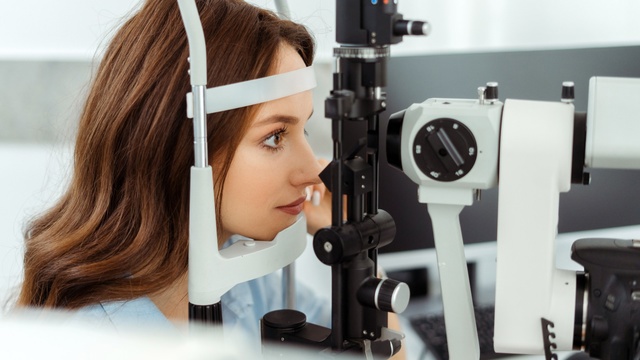
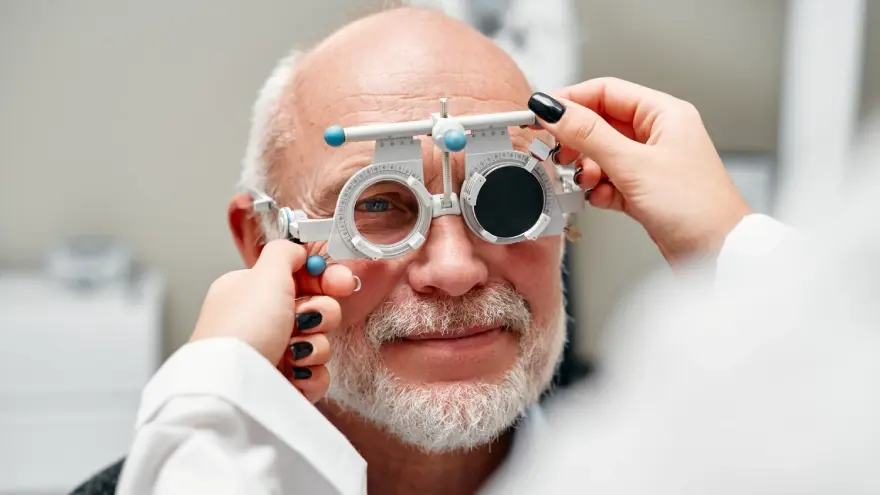
The ophthalmologist first reviews symptoms, medical history, and vision changes, and performs a comprehensive eye examination — including a visual acuity test, slit-lamp examination, and intraocular pressure measurement, along with biometry to select the appropriate intraocular lens — to confirm cataracts and determine whether surgery is appropriate. The clouded lens is then removed using the ALCON INFINITI phacoemulsification system and replaced with an artificial intraocular lens selected according to the patient's visual goals. The surgery itself usually takes about fifteen to thirty minutes per eye under local or topical anaesthesia, with patients typically experiencing little or no pain during the procedure, and is commonly performed as an outpatient procedure with the operating surgeon personally handling follow-up.
Most patients notice vision improvement within a few days, with complete healing generally taking about four to six weeks; where a multifocal IOL is used, neuroadaptation to the new lens can continue over additional weeks to months. Functional vision typically returns within days, final refraction stabilises over the following weeks, and the implanted IOL is intended to provide permanent, long-term correction, though later conditions such as posterior capsule opacification can still require separate treatment. Several follow-up visits are recommended after surgery, generally including a check the day after surgery and further visits over the following weeks to monitor healing and visual stability.
Before surgery, patients complete a comprehensive eye examination, discuss medications and medical history with the surgeon, follow instructions regarding eye drops, and arrange transportation home since driving is not possible the same day. Aftercare includes using prescribed eye drops, avoiding rubbing the eye, wearing a protective eye shield as advised, and avoiding heavy lifting and swimming during early recovery. More specifically, patients can generally walk and resume most quiet daily activities immediately after surgery; a protective eye shield is worn on the day of surgery and removed the next day, when vision becomes usable; a sleep eye-shield is generally worn nightly for about four weeks, with patients avoiding sleeping face-down during this period; two prescribed eye drops are generally used about six times daily for at least a month starting the day after surgery; and artificial tears with regular screen breaks are advised during early phone and computer use.
Additional activity restrictions follow a defined timeline: direct water on the face should be avoided for about a week (showering and hair-washing are generally fine after about three days), sauna or jjimjilbang use after about four weeks, alcohol after about two weeks given the inflammation risk, light exercise such as walking after about two weeks, and vigorous exercise such as swimming or basketball after about eight weeks. Daytime driving is generally possible from around two weeks, depending on individual adaptation to the new lens, and patients are advised to avoid any external impact to, or rubbing of, the eye throughout the recovery period.
Safety, Precision, and Clinic Standards
Modern cataract surgery is widely regarded across ophthalmology as one of the safest and most effective outpatient surgical procedures performed today, with the vast majority of patients experiencing meaningful visual improvement and few complications; the discussion of risk below is intended to inform decision-making, not to suggest that complications are typical or expected outcomes.
Cataract surgery at the clinic uses the ALCON INFINITI phacoemulsification system for ultrasound-based lens removal, together with slit-lamp biomicroscopes and precision biometry devices for pre-operative planning, and specialised intraocular lenses — monofocal, multifocal, or toric — selected according to each patient's visual goals. Recognised risks include infection, bleeding, inflammation, retinal detachment, increased eye pressure, swelling, or temporary blurred vision, although serious complications are uncommon; the clinic's structured follow-up schedule, including a check the day after surgery, is specifically designed to catch any of these issues early. Dr. Cha's own academic research specifically examined protecting the corneal endothelium during phacoemulsification, a tissue-preservation concern directly relevant to how quickly and clearly vision recovers after this exact procedure.
International Patient Considerations
International patients choose cataract surgery in Korea for advanced ophthalmic care, modern surgical techniques, experienced specialists, and high-quality intraocular lens options intended to improve both vision and quality of life. Patients travelling specifically for cataract surgery should plan around the full four-to-six-week healing window before finalising a return flight, particularly if a multifocal IOL is chosen and additional neuroadaptation time is expected; at minimum, remaining through the first post-operative check the day after surgery is standard, and many patients also stay for at least one further follow-up visit in the following weeks. Because eligibility for a specific lens type — monofocal, multifocal, or toric — depends on individual eye measurements and visual goals rather than being selected in advance, the clinic's pre-operative evaluation determines which options are realistic once a patient arrives, so travel plans should retain some flexibility until that evaluation is complete. Patients should also discuss in advance how longer-term aftercare items, such as the up-to-four-week nightly eye shield and the roughly eight-week wait before vigorous exercise, will be managed once they return home, including whether follow-up imaging can be coordinated with a local eye care provider.
How Lens Choice Shapes Your Outcome
| Lens Type | Distance Vision | Near/Intermediate Vision | Notes |
|---|---|---|---|
| Monofocal IOL | Corrected | Not corrected | Most predictable option; reading glasses generally still needed |
| Multifocal IOL (e.g., Clareon PanOptix Pro) | Corrected | Corrected | Can reduce dependence on glasses; neuroadaptation period, possible halos/glare |
| Toric IOL | Corrects astigmatism | Depends on base design | Can be combined with monofocal or multifocal base |
A monofocal IOL is the most predictable option in terms of overall visual quality and contrast sensitivity, but generally leaves reading glasses necessary for near tasks. A multifocal IOL, such as the Clareon PanOptix Pro, is designed to provide functional vision at multiple distances, reducing or potentially eliminating the need for glasses, but involves a period of neuroadaptation and a somewhat higher chance of noticing halos or glare around lights at night. A toric IOL corrects pre-existing corneal astigmatism at the same time as cataract removal and can be combined with either a monofocal or multifocal base design. The clinic determines which lens category is realistic for a given patient based on corneal measurements, retinal health, and the patient's own priorities around glasses independence versus visual predictability.
If a Complication Develops After Surgery
Two related conditions can arise after an otherwise successful cataract surgery, and understanding the distinction matters for what to expect: if the implanted lens shifts or becomes displaced, this is addressed through a separate service, cataract revision surgery, involving lens repositioning (scleral fixation) or lens exchange depending on the degree of displacement. If vision that was clear after surgery becomes cloudy again months to years later, this is usually posterior capsule opacification — a build-up of residual lens epithelial cells on the membrane behind the implanted lens, not a true recurrence of cataract — treated with a brief, roughly five-minute outpatient YAG laser procedure rather than a repeat of the original surgery. Neither of these outcomes is common, but the clinic's structured long-term follow-up approach, rather than a single postoperative visit, is intended to catch either issue if it develops.
Combining Cataract Surgery with Other Treatments
Cataract surgery can be combined with presbyopia correction using a premium multifocal intraocular lens such as the Clareon PanOptix Pro, addressing both cataract-related clouding and age-related near-vision loss in one procedure.
Cataract surgery can be combined with astigmatism-correcting toric lens placement, glaucoma drainage procedures, or combined vitreo-retinal surgery when an underlying retinal or glaucoma condition is also present.
Dr. Cha's ESCRS research on protecting the corneal endothelium during phacoemulsification is worth understanding in plain terms: the endothelium is a thin, non-regenerating layer of cells lining the inner surface of the cornea, and preserving it during the ultrasound energy used to break up a cataract is one factor influencing how clear and how quickly a patient's vision recovers after surgery. Research into mechanical protection methods for this tissue during phacoemulsification is directly applicable to the same surgical step used in the cataract surgery performed at the clinic, rather than being an unrelated academic interest.
The Bottom Line
Cataract surgery removes the eye's clouded natural lens using the ALCON INFINITI phacoemulsification system and replaces it with an intraocular lens.
Premium multifocal IOL options, including the Clareon PanOptix Pro, allow presbyopia correction to be combined with cataract removal for suitable patients.
Most patients notice improved vision within days, with complete healing generally taking four to six weeks.
Dr. Cha Deok Sun, whose core specialty is cataract and presbyopia surgery, holds an intraocular lens patent and a 2016 ESCRS award for phacoemulsification-related research.
Results and lens suitability are not identical for every patient; infection, inflammation, and other recognised surgical risks, while uncommon, are possible.
Frequently Asked Questions
How do I know if I need cataract surgery?
Candidacy is confirmed through a comprehensive eye examination — including a visual acuity test, slit-lamp examination, and intraocular pressure measurement — and surgery is generally considered once a cataract significantly affects vision or daily activities, rather than at the first sign of any clouding.
Can cataract surgery also correct my need for reading glasses?
Yes, for suitable candidates. The clinic offers premium multifocal intraocular lenses, such as the Clareon PanOptix Pro, that can be implanted during cataract surgery to address presbyopia at the same time, though a period of neuroadaptation and some visual trade-offs such as halos or glare are possible with any multifocal lens.
How long does cataract surgery take, and is it painful?
The surgery itself usually takes about fifteen to thirty minutes per eye and is performed under local or topical anaesthesia, so patients typically experience little or no pain during the procedure.
How long is recovery after cataract surgery?
Most patients notice improved vision within a few days, with complete healing generally taking about four to six weeks; neuroadaptation to a multifocal lens, where used, can continue for additional weeks to months.
What are the main risks of cataract surgery?
Recognised risks include infection, bleeding, inflammation, retinal detachment, increased eye pressure, and temporary blurred vision, although serious complications are uncommon, which is why the clinic schedules structured follow-up visits after surgery.
Which type of intraocular lens is right for me?
The choice among monofocal, multifocal, and toric intraocular lenses depends on your corneal measurements, retinal health, and personal priorities around glasses independence versus visual predictability, which is why lens suitability is determined during your pre-operative evaluation rather than by default.
When can I resume normal activities after cataract surgery?
Most patients can walk and resume quiet daily activities immediately after surgery, with a protective eye shield worn on the day of surgery; light exercise such as walking is generally possible after about two weeks, and more vigorous activity such as swimming after about eight weeks, with daytime driving generally possible from around two weeks depending on adaptation to the new lens.
Book a Consultation at Jamsil Samsung Eye Clinic
To discuss cataract evaluation, surgery, or intraocular lens options with Dr. Cha Deok Sun, contact Jamsil Samsung Eye Clinic in Songpa-gu, Seoul, through its online consultation and contact page or by phone at +82-2-424-7523 to schedule your comprehensive eye examination.
Disclaimer
This page is for general informational purposes and does not constitute individualised medical advice. Surgical candidacy, technique, and expected outcomes can only be determined through a consultation with a qualified physician, and no specific visual outcome can be guaranteed in advance.
Other Services
Explore additional ophthalmology treatments offered by our specialists.
EVO AQUA ICL (Implantable Collamer Lens)
EVO AQUA ICL is a vision-correction procedure in which a specialized corrective lens made of biocompatible Collamer material is inserted directly between the natural lens and the iris, without damaging or reshaping the cornea.
Learn More

Presbyopia Surgery (Clareon PanOptix Pro)
Presbyopia surgery with the Clareon PanOptix Pro trifocal lens corrects presbyopia — the age-related loss of near-focusing ability caused by the eye's lens stiffening and losing elasticity, combined with reduced ciliary muscle function — by implanting a
Learn More
Presbyopia Precision Examination Program
The Presbyopia Precision Examination Program is a specialized diagnostic evaluation designed to thoroughly assess eye health, corneal condition, and refractive index before prescribing presbyopia correction or laser vision procedures.
Learn More